Introduction to the Labubu Phenomenon
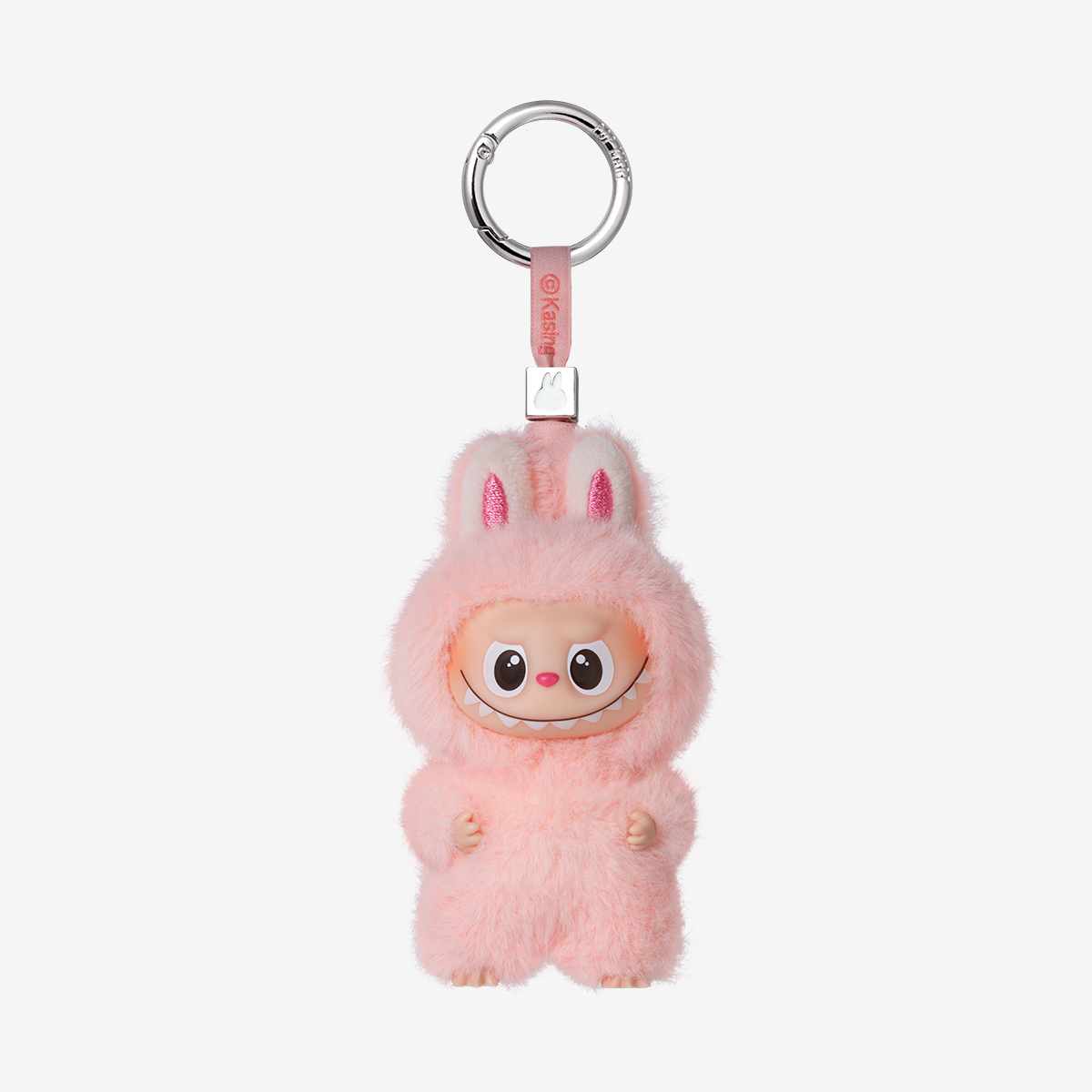
In recent years, the United States toy market has witnessed the rapid rise of a unique collectible known as the Labubu doll. Originally created by artist Kasing Lung, Labubu began as a character in an illustrated series before transforming into a global collectible toy sensation. Today, these quirky, sharp-toothed plush figures are not just toys—they are cultural icons, fashion accessories, Labubu Doll and even investment pieces. Their growing popularity in the U.S. highlights a shift in consumer behavior, where toys are no longer limited to children but are increasingly embraced by adults and collectors alike.
The Origin and Evolution of Labubu Dolls
Labubu dolls first appeared in 2015 as part of “The Monsters” series, created by Kasing Lung. Later, a collaboration with Pop Mart in 2019 helped bring these characters into the mainstream collectible toy market.
What makes Labubu unique is its distinctive design—a blend of cute and eerie features, including large ears, mischievous expressions, and sharp teeth. This unusual aesthetic sets it apart from traditional toys and appeals to a wide audience, particularly Gen Z and millennials.
Over time, the Labubu brand expanded into hundreds of variations, including themed editions, limited releases, and large collectible figures. This constant evolution has kept the brand fresh and exciting, ensuring continued demand among collectors.
Why Labubu Dolls Are Trending in the United States
The rise of Labubu dolls in the United States can largely be attributed to social media influence and viral trends. Platforms like TikTok have played a significant role in popularizing the dolls, with users sharing unboxing videos and showcasing rare finds.
The concept of “blind boxes,” where buyers do not know which version of the doll they will receive, adds an element of surprise and excitement. This unpredictability drives repeat purchases, as collectors aim to complete entire sets or discover rare editions.
Celebrity endorsements have also contributed to the craze. High-profile figures such as Rihanna and Dua Lipa have been seen with Labubu dolls, turning them into fashion statements rather than simple toys.
In the U.S., this combination of social media hype, celebrity influence, and unique product design has created a powerful demand cycle that continues to grow.
The Role of Collectibility and Scarcity
One of the main reasons behind the Labubu craze is its strong focus on collectibility. Each series is released in limited quantities, making certain designs rare and highly sought after. Some editions have only a small chance of being found in blind boxes, increasing their value among collectors.
In the United States, this scarcity has led to long lines at stores and frequent online sell-outs.
The resale market further amplifies the hype. While standard Labubu dolls typically sell for around $20 to $30, rare editions can fetch thousands of dollars.
This dynamic transforms Labubu from a simple toy into a collectible asset, attracting both hobbyists and investors.
Labubu as a Lifestyle and Fashion Statement
Another factor contributing to Labubu’s popularity in the U.S. is its role as a lifestyle accessory. Many consumers attach these dolls to their bags, use them as keychains, or display them as part of their personal style.
This trend reflects a broader shift in the toy industry, where products are designed not just for play but also for self-expression. Labubu’s unique appearance and variety of designs allow users to showcase their personality and creativity.
The dolls have also become a social currency among collectors. Owning rare Labubu figures can signal status within the community, encouraging more people to join the trend.
Impact on the U.S. Toy Market
The success of Labubu dolls has had a noticeable impact on the U.S. toy market. Traditionally dominated by children’s products, the market is now increasingly influenced by adult collectors, often referred to as the “kidult” segment.
Labubu has contributed to this shift by appealing to older audiences who value nostalgia, design, and exclusivity. According to market insights, a significant portion of Labubu buyers are young adults, particularly women aged 25 to 34.
This demographic shift has encouraged toy companies to rethink their strategies, focusing more on design, storytelling, and limited releases.
Economic Growth and Market Value
Labubu’s financial success is equally impressive. The brand has generated hundreds of millions of dollars in global sales, reflecting its strong market presence.
In the United States, demand continues to rise, contributing significantly to these figures. The combination of retail sales and a thriving resale market creates a robust economic ecosystem around the brand.
Collectors are willing to pay premium prices for rare items, further driving revenue and increasing the brand’s perceived value.
Challenges and Concerns
Despite its popularity, the Labubu craze is not without challenges. One major issue is the rise of counterfeit products, often referred to as “Lafufu.” These fake dolls can be of lower quality and may pose safety risks, particularly for children.
Additionally, the high demand and limited supply have led to frustration among consumers. Some fans struggle to obtain their desired items due to quick sell-outs and inflated resale prices.
There are also concerns about sustainability and overconsumption, as the blind box model encourages repeated purchases. While this drives sales, it raises questions about long-term environmental and ethical impacts.
Future of Labubu in the United States
Looking ahead, the future of Labubu in the United States appears promising. The brand’s ability to adapt, introduce new designs, and maintain exclusivity will likely sustain its popularity.
However, like many trends, LABUBU Box the Labubu craze may eventually stabilize. The challenge for the brand will be to retain its loyal fan base while attracting new audiences.
Innovations such as collaborations, digital collectibles, and expanded storytelling could play a key role in keeping the brand relevant in the years to come.
Conclusion
The Labubu doll craze in the United States toy market represents a new era of collectible culture. Driven by social media, celebrity influence, and innovative marketing strategies, Labubu has transformed from a niche character into a global phenomenon.
Its success highlights the changing dynamics of the toy industry, where emotional connection, exclusivity, and community engagement are more important than ever. While challenges remain, Labubu’s impact on the U.S. market is undeniable, and its story is a testament to the power of creativity and modern consumer trends.