
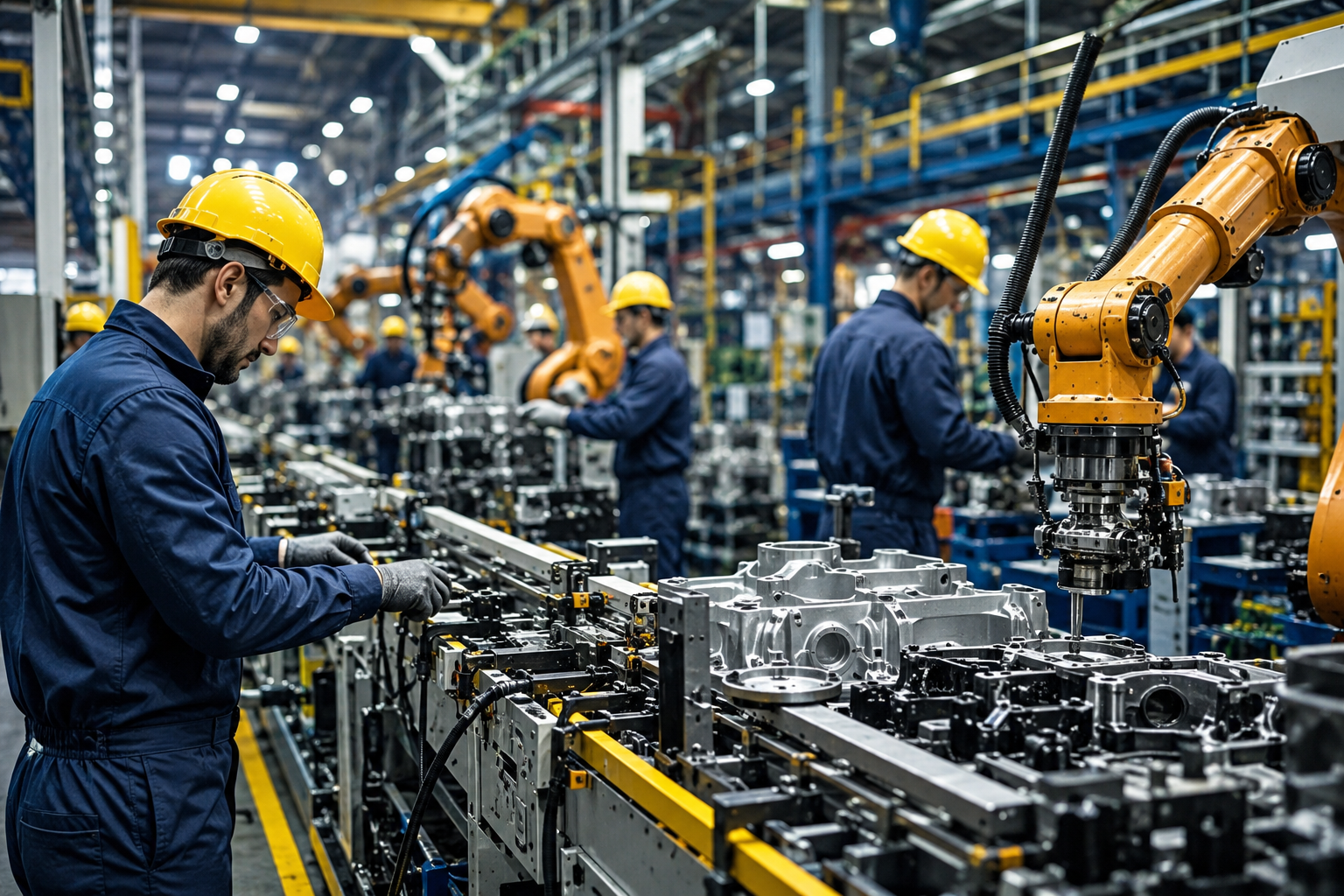
Introduction to ISO 14001 Certification for Manufacturing Companies
Manufacturing companies are under increasing pressure to reduce environmental impact while maintaining productivity and profitability. Rising energy costs, stricter environmental regulations, and growing customer expectations have made sustainability an important part of modern business operations.
Companies are no longer evaluated only by the quality and price of their products. Customers, suppliers, and stakeholders also want to know how responsibly a company manages resources, controls waste, and protects the environment.
This is where ISO 14001 certification helps manufacturing companies establish a structured approach to managing environmental responsibilities. It provides a globally recognized framework for developing an Environmental Management System (EMS) that helps organizations identify risks, improve processes, reduce waste, and achieve continuous environmental improvement.
For manufacturers, ISO 14001 is not just a certification. It is a practical management system that supports better decision-making, operational efficiency, and long-term sustainable growth.
What Is ISO 14001 Certification?
ISO 14001 is an international standard designed to help organizations create and maintain an effective Environmental Management System. The standard provides guidelines for identifying environmental impacts and controlling activities that may affect the environment.
In a manufacturing environment, daily operations can create several environmental challenges, including:
- High energy consumption
- Excessive use of raw materials
- Industrial waste generation
- Water consumption
- Chemical handling risks
- Air emissions and pollution
Without proper management, these issues can increase operational costs and create compliance risks.
ISO 14001 helps manufacturers develop clear procedures to monitor these activities, reduce negative environmental impacts, and improve overall environmental performance.
For example, a manufacturing facility may discover that a large amount of energy is wasted during production because machines operate inefficiently. Through an ISO 14001-based system, the company can identify this issue, implement improvements, and monitor results over time.
Why Manufacturing Companies Need ISO 14001 Certification
The manufacturing sector plays a major role in resource consumption and environmental impact. From raw material processing to product delivery, every stage of production can influence environmental performance.
ISO 14001 certification helps manufacturers take control of these impacts through a systematic approach.
The certification allows companies to:
- Improve environmental management practices
- Reduce production waste
- Control operational costs
- Meet legal and regulatory requirements
- Improve resource efficiency
- Build customer confidence
- Strengthen their position in competitive markets
Many international buyers now prefer suppliers who follow recognized environmental standards. Having ISO 14001 certification demonstrates that a manufacturing company is committed to responsible and sustainable operations.
Who Needs ISO 14001 Certification in the Manufacturing Industry?
ISO 14001 certification is suitable for manufacturing companies of all sizes. Whether it is a small production unit or a large industrial organization, any company that creates environmental impacts can benefit from implementing this standard.
Industries that commonly adopt ISO 14001 include:
Automotive Manufacturing
Automotive companies use ISO 14001 to manage energy consumption, material waste, emissions, and production processes.
Chemical and Pharmaceutical Industries
Chemical manufacturers require strong environmental controls due to the use of hazardous substances, chemical storage, and waste management requirements.
Food and Beverage Manufacturing
Food processing companies implement ISO 14001 to manage water usage, packaging waste, energy consumption, and production waste.
Textile and Garment Industries
Textile manufacturers use the standard to improve wastewater management, reduce chemical usage, and support sustainable production practices.
Electronics and Electrical Manufacturing
Electronic manufacturers apply ISO 14001 to manage electronic waste, energy usage, and environmentally responsible production methods.
Metal and Engineering Industries
Metal processing and engineering companies benefit from better control over emissions, material usage, and industrial waste.
Key Benefits of ISO 14001 Certification for Manufacturers
1. Improved Environmental Performance
ISO 14001 helps organizations understand how their operations affect the environment. By identifying environmental risks and setting improvement targets, manufacturers can reduce their overall environmental impact.
Companies can monitor important areas such as:
- Energy usage
- Waste generation
- Water consumption
- Emission levels
- Material efficiency
This allows businesses to make informed decisions and continuously improve their environmental performance.
2. Reduction in Waste and Operational Costs
One of the biggest advantages of ISO 14001 is improved resource management.
Manufacturers often discover that inefficient processes lead to unnecessary expenses. By reviewing production activities, companies can identify opportunities to reduce:
- Raw material waste
- Energy consumption
- Water usage
- Disposal costs
These improvements not only benefit the environment but also contribute to cost savings.
3. Better Compliance With Environmental Regulations
Environmental regulations continue to become stricter across industries. Non-compliance can result in penalties, operational disruptions, and damage to business reputation.
ISO 14001 helps companies identify applicable environmental requirements and develop processes to maintain compliance.
A structured EMS ensures that environmental responsibilities are managed consistently rather than only during inspections or audits.
4. Increased Customer Trust and Business Opportunities
Many customers, especially global organizations, evaluate suppliers based on their environmental practices.
ISO 14001 certification provides evidence that a manufacturer follows internationally accepted environmental management practices.
This can help companies:
- Win new contracts
- Improve supplier relationships
- Enter international markets
- Strengthen brand reputation
Key Requirements of ISO 14001 Certification
To achieve certification, manufacturing companies must establish an Environmental Management System that meets the requirements of the standard.
Environmental Policy Development
The organization must create an environmental policy that explains its commitment to protecting the environment and improving environmental performance.
The policy should include commitments related to:
- Pollution prevention
- Legal compliance
- Continuous improvement
Management involvement is essential because environmental goals require support from leadership.
Identification of Environmental Risks
Manufacturers must identify activities that may create environmental impacts.
Examples include:
- Chemical handling
- Waste disposal
- Machine operations
- Energy consumption
- Water usage
After identifying these risks, companies must establish suitable controls to manage them effectively.
Setting Environmental Objectives
Organizations must create measurable environmental goals.
Examples include:
- Reducing energy consumption by a specific percentage
- Increasing recycling rates
- Reducing production waste
- Improving resource efficiency
These objectives help companies track progress and measure improvement.
Employee Awareness and Training
Employees play an important role in successful ISO 14001 implementation.
Workers must understand:
- Environmental procedures
- Waste handling methods
- Emergency response actions
- Their responsibilities within the EMS
Regular training helps create an environmentally responsible workplace culture.
ISO 14001 Certification Process for Manufacturing Companies
Step 1: Initial Gap Analysis
The first step is evaluating the company’s existing environmental practices against ISO 14001 requirements.
This helps identify:
- Current strengths
- Areas needing improvement
- Documentation gaps
- Environmental risks
The gap analysis provides a clear roadmap for implementation.
Step 2: Developing the Environmental Management System
After identifying gaps, the organization develops necessary policies, procedures, and controls.
This may include:
- Environmental policies
- Operational procedures
- Monitoring systems
- Risk assessments
- Documentation processes
Step 3: Implementation and Employee Training
The EMS is introduced across the organization.
Employees are trained on new procedures, and environmental practices become part of daily operations.
Successful implementation requires cooperation between management, production teams, and support departments.
Step 4: Internal Audit
Before the certification audit, the organization conducts internal audits to check whether the EMS is working effectively.
Internal audits help identify problems and allow companies to take corrective actions before external assessment.
Step 5: Certification Audit
An external certification body conducts the final audit.
The audit generally includes:
Stage 1 Audit
The auditor reviews documents, policies, and system readiness.
Stage 2 Audit
The auditor evaluates whether the EMS is properly implemented in actual manufacturing operations.
If all requirements are successfully met, the organization receives ISO 14001 certification.
Common Challenges During ISO 14001 Implementation
Employee Awareness
Employees may take time to adjust to new environmental procedures. Proper training and communication help create better acceptance.
Documentation Management
Maintaining accurate records can be challenging. Companies need proper documentation for audits, monitoring, and improvement activities.
Resource Allocation
Some organizations worry about implementation costs. However, proper planning allows companies to introduce improvements gradually while achieving long-term benefits.
Maintaining ISO 14001 Certification
Receiving certification is only the beginning. Manufacturing companies must continue improving their Environmental Management System to maintain certification.
Organizations should regularly perform:
- Internal audits
- Management reviews
- Employee training
- Environmental performance monitoring
Tracking performance indicators such as energy usage, waste reduction, and emission control helps ensure continuous improvement.
Companies that integrate environmental management into daily operations can maintain certification more effectively and achieve greater long-term benefits.
Conclusion
ISO 14001 certification provides manufacturing companies with a practical framework to manage environmental responsibilities while improving operational efficiency. It helps organizations reduce waste, control resources, comply with regulations, and strengthen their reputation among customers and business partners.
For manufacturers, sustainability is becoming an essential part of business success. Implementing ISO 14001 allows companies to move beyond basic compliance and develop a proactive approach toward environmental management.
By adopting this internationally recognized standard, manufacturing companies can create more efficient processes, reduce environmental risks, and build a stronger foundation for sustainable growth.