
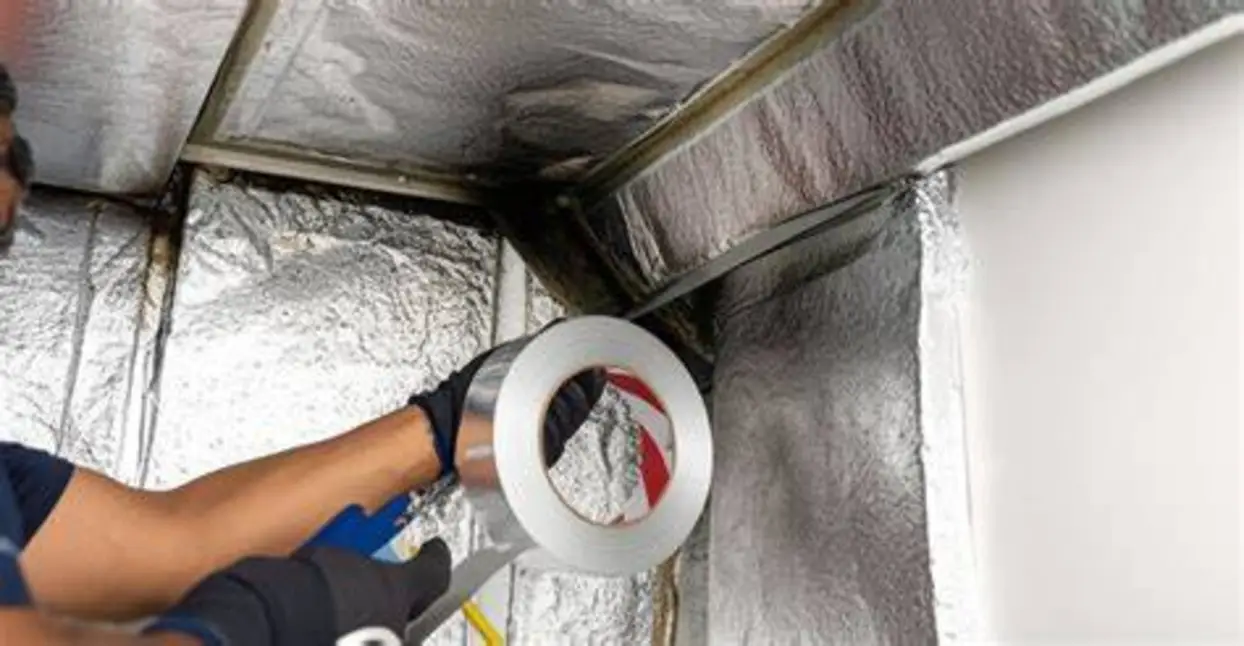
HVAC systems operate in demanding environments where temperature fluctuations, airflow resistance, and static pressure continuously challenge every component. While ductwork and insulation often receive the most attention, HVAC tape plays an equally important role in maintaining airtight seals and system efficiency. Under conditions involving elevated temperatures and high static pressure, the quality and performance of HVAC tape become especially critical.
Understanding how HVAC tape behaves in these environments helps technicians, contractors, and building owners select the right products and prevent costly failures.
The Importance of HVAC Tape in Air Distribution Systems
HVAC tape is designed to seal joints, seams, and connections in ductwork. Its primary purpose is to prevent air leakage, preserve energy efficiency, and maintain proper airflow throughout heating and cooling systems.
Unlike conventional household tapes, HVAC tapes are engineered to withstand:
- Continuous temperature variations
- Moisture exposure
- Mechanical stress
- Aging and oxidation
- High-pressure airflow conditions
When properly applied, HVAC tape contributes to better indoor comfort and reduced energy consumption.
Understanding High Heat Conditions in HVAC Applications
Modern HVAC systems may encounter temperatures ranging from below freezing to over 200°F (93°C), depending on the application. Heat pumps, furnaces, rooftop units, and industrial ventilation systems often expose duct seals to prolonged heat.
Common sources of elevated temperatures include:
- Gas furnaces
- Boiler systems
- Commercial kitchens
- Industrial exhaust systems
- Solar-heated ductwork
- Mechanical rooms with limited ventilation
Under these conditions, ordinary adhesive products may soften, dry out, or lose their bonding strength.
High-quality HVAC tapes are manufactured with heat-resistant adhesives that maintain their integrity even during continuous exposure to elevated temperatures.
Performance of Aluminum Foil HVAC Tape Under Heat
Aluminum foil tape is one of the most widely used sealing materials in HVAC installations. Its metallic backing provides excellent resistance to heat and environmental stress.
Key advantages include:
Thermal Stability
Aluminum foil tape can withstand temperatures significantly higher than standard cloth or plastic tapes. This stability prevents adhesive failure and ensures long-lasting seals.
Fire Resistance
Many foil tapes are designed to comply with UL standards and exhibit flame-resistant properties, making them suitable for air-handling systems.
Moisture Protection
The foil backing acts as a vapor barrier, preventing condensation from affecting the adhesive layer.
Durability
Foil tape resists cracking, shrinking, and brittleness caused by repeated heating and cooling cycles.
Because of these characteristics, aluminum foil tape remains the preferred choice for residential and commercial HVAC systems.
How Static Pressure Affects Tape Performance
Static pressure refers to the resistance encountered by air as it moves through ductwork. High static pressure creates additional stress on seams and joints, increasing the likelihood of air leakage.
Several factors contribute to high static pressure:
- Dirty filters
- Undersized duct systems
- Closed dampers
- Long duct runs
- Restricted airflow
- Multiple bends and fittings
As pressure builds inside the ducts, the sealing material must withstand constant forces attempting to separate the joints.
Inferior tape products may experience:
- Edge lifting
- Adhesive separation
- Wrinkling
- Loss of elasticity
- Progressive air leaks
Professional-grade HVAC tapes are formulated to maintain strong adhesion even when subjected to continuous pressure loads.
Adhesive Technology Matters
The adhesive layer determines much of the tape’s performance under demanding conditions.
Acrylic Adhesives
Acrylic-based adhesives are widely used because they provide:
- Excellent heat resistance
- Long service life
- UV stability
- Strong adhesion to metal surfaces
- Resistance to aging
These characteristics make acrylic adhesives suitable for permanent HVAC sealing applications.
Rubber-Based Adhesives
Rubber adhesives provide aggressive initial tack but generally perform less effectively under sustained high temperatures.
Over time, excessive heat may cause:
- Adhesive softening
- Drying and cracking
- Reduced holding power
Therefore, rubber-based tapes are often better suited for temporary applications rather than long-term duct sealing.
Effects of Thermal Expansion and Contraction
Metal ducts naturally expand when heated and contract when cooled. These continuous dimensional changes create mechanical stress on joints and sealing materials.
Quality HVAC tapes are engineered with flexibility that allows them to accommodate:
- Seasonal temperature swings
- Startup and shutdown cycles
- Daily heating and cooling variations
- Vibration from blowers and compressors
This flexibility helps prevent cracking and separation that could compromise system efficiency.
Why Cloth Duct Tape Is Not Recommended
Despite the common use of the term “duct tape,” traditional cloth-backed duct tape is generally unsuitable for HVAC systems.
Problems associated with conventional duct tape include:
- Poor heat resistance
- Adhesive degradation
- Rapid aging
- Surface drying
- Loss of sealing capability
Numerous studies and field observations have shown that standard duct tape often fails after prolonged exposure to heat and airflow.
For this reason, HVAC professionals typically rely on UL-listed foil tapes and mastics rather than general-purpose duct tape.
Best Practices for Maximum Performance
To ensure reliable performance under high heat and static pressure conditions, proper installation is essential.
Clean the Surface
Dust, oil, and moisture can interfere with adhesive bonding. Always clean and dry the surface before applying tape.
Apply Firm Pressure
Using a squeegee or roller helps eliminate air pockets and improves adhesive contact.
Avoid Stretching the Tape
Excessive tension during installation may lead to edge lifting later.
Use Appropriate Widths
Wider tapes distribute stress more evenly and improve sealing performance on large joints.
Follow Temperature Recommendations
Manufacturers specify ideal application temperatures for maximum adhesion.
Choose UL-Listed Products
UL 181-certified tapes are specifically tested for HVAC applications and provide greater confidence in long-term durability.
Applications Requiring High-Performance HVAC Tape
Premium HVAC tapes are commonly used in:
- Residential forced-air systems
- Heat pumps
- Commercial buildings
- Hospitals
- Laboratories
- Industrial ventilation systems
- Data centers
- Food processing facilities
- Pharmaceutical manufacturing plants
In these demanding environments, maintaining airtight ductwork is critical for energy efficiency, air quality, and equipment performance.
Conclusion
HVAC tape serves as far more than a simple sealing accessory. Under high heat and static pressure conditions, it becomes a crucial component that protects system efficiency and prevents air leakage. Aluminum foil tapes with high-performance acrylic adhesives offer superior resistance to temperature extremes, pressure-related stress, and long-term aging.
By selecting professional-grade products and following proper installation practices, HVAC contractors and facility managers can ensure durable seals that withstand the harsh conditions found in modern heating and cooling systems. Ac 1/2 pk – Investing in quality HVAC tape ultimately contributes to lower energy costs, improved indoor comfort, and longer-lasting HVAC equipment.