
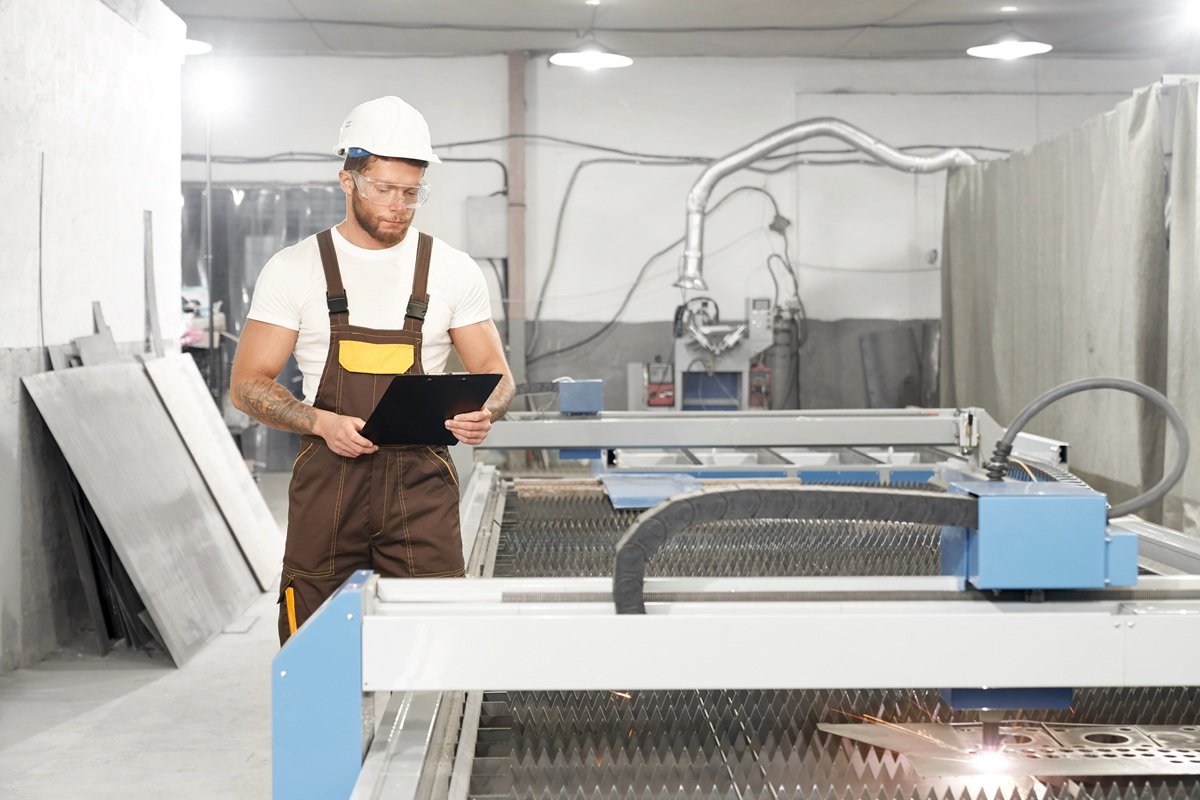
These remarkable machines have revolutionised how workshops approach cutting, carving, and shaping materials. Whether you’re running a small joinery business in Melbourne or managing a large-scale manufacturing facility in Sydney, CNC routers offer something that manual methods simply can’t match unwavering precision combined with impressive speed. They’ve become the backbone of countless industries, from furniture making to aerospace engineering.
In this article, we’ll break down exactly how CNC routers work and why they’ve become indispensable in modern workshops. You’ll discover the accuracy advantages they bring, how they boost productivity, what materials they can handle, and whether investing in one makes sense for your operation. Plus, we’ll cover the potential drawbacks and help you understand what to look for when choosing the right machine. Let’s get stuck into it.
What Is a CNC Router and How Does It Work?
Understanding CNC Router Technology
CNC stands for Computer Numerical Control, which essentially means a computer controls the machine’s movements with incredible precision. Think of it as a highly skilled craftsperson who never gets tired, never loses focus, and follows instructions to the letter every single time.
Key Components of a CNC Router System
Every CNC router comprises several essential elements working together. The spindle acts as the heart of the machine, spinning the cutting tools at high speeds. The gantry system moves the spindle across the work surface on multiple axes usually three (X, Y, and Z), though more advanced machines offer additional axes for complex cuts.
How Do CNC Routers Differ from Traditional Routers?
Traditional handheld routers rely entirely on operator skill. A craftsperson guides the tool manually, which means results vary based on experience, fatigue, and concentration. CNC routers remove this variability by following programmed paths with mechanical precision.
The difference is particularly noticeable in repeatability. A skilled woodworker might produce excellent results, but replicating those exact results hundreds of times is another matter entirely. CNC machines do this effortlessly.
How CNC Routers Improve Accuracy in Manufacturing
Precision Cutting and Repeatability
Modern CNC routers achieve tolerances that would be impossible to maintain by hand. We’re talking about accuracy levels of ±0.1mm or better on quality machines. This precision remains consistent whether you’re cutting the first piece or the five-hundredth.
Eliminating Human Error in Production
Let’s face it humans make mistakes. We get tired, distracted, or simply have off days. CNC routers don’t have these limitations. They execute programmed instructions without deviation, eliminating the costly errors that can occur during manual machining.
What Tolerances Can CNC Routers Achieve?
Industrial-grade CNC routers routinely achieve tolerances of ±0.05mm to ±0.1mm. Entry-level machines typically offer ±0.2mm to ±0.5mm accuracy, which still far exceeds what’s achievable by hand for most applications.
Digital Design to Physical Product: The Accuracy Advantage
The journey from CAD design to finished product maintains accuracy throughout. Complex geometries, intricate patterns, and precise dimensions transfer directly from screen to material without interpretation errors or measurement mistakes.
Boosting Workshop Productivity with CNC Routers
Faster Production Times and Turnaround
Speed matters in business, and CNC routers deliver. What might take a skilled craftsperson hours to complete manually often takes minutes on a CNC machine. This acceleration doesn’t sacrifice quality it maintains it while dramatically increasing output.
Modern spindles operate at high RPM, and optimised toolpaths minimise unnecessary movements. The result is efficient material removal that respects your deadlines.
Running Multiple Jobs with Minimal Supervision
One of the biggest productivity gains comes from reduced supervision requirements. Once a job starts, operators can prepare materials for the next run, handle other tasks, or even manage multiple machines simultaneously.
This capability effectively multiplies your workforce without adding headcount. A single operator can oversee several CNC routers, dramatically increasing workshop output.
Are CNC Routers Faster Than Manual Machining?
In virtually all applications involving repetitive cuts or complex patterns, yes significantly faster. A CNC router might complete a detailed cabinet door in fifteen minutes that would take an hour or more by hand. Multiply this across a day’s production, and the time savings become substantial.
Reducing Material Waste and Associated Costs
Intelligent nesting software arranges parts to maximise material usage. Combined with precise cutting that eliminates errors, workshops see meaningful reductions in waste. Less waste means lower material costs and improved profit margins.
What Materials Can CNC Routers Cut?
CNC routers handle an impressive range of materials. Wood, MDF, and timber products are perhaps the most common applications, particularly in furniture and joinery work. The machines cut, carve, and shape these materials with ease.
Plastics, acrylics, and composites present no problems either. From signage to industrial components, CNC routers process these materials cleanly without cracking or melting when proper feeds and speeds are used.
Aluminium and soft metals are achievable with appropriate tooling and settings. While CNC routers aren’t ideal for heavy metal cutting, they handle aluminium sheet and soft alloys effectively for many applications.
Foam and signage materials round out the versatility. From packaging inserts to large-format display pieces, the range of possibilities is impressive.
Industries Benefiting from CNC Router Technology
The furniture and cabinetry sector relies heavily on CNC routers for consistent, efficient production. Signage and display companies use them for everything from shop fascias to exhibition stands.
Aerospace and automotive industries appreciate the precision for prototyping and component manufacturing. Architectural millwork and joinery businesses produce intricate mouldings and custom pieces that would be impractical otherwise.
Is a CNC Router Worth the Investment for Small Workshops?
Cost vs. Return on Investment
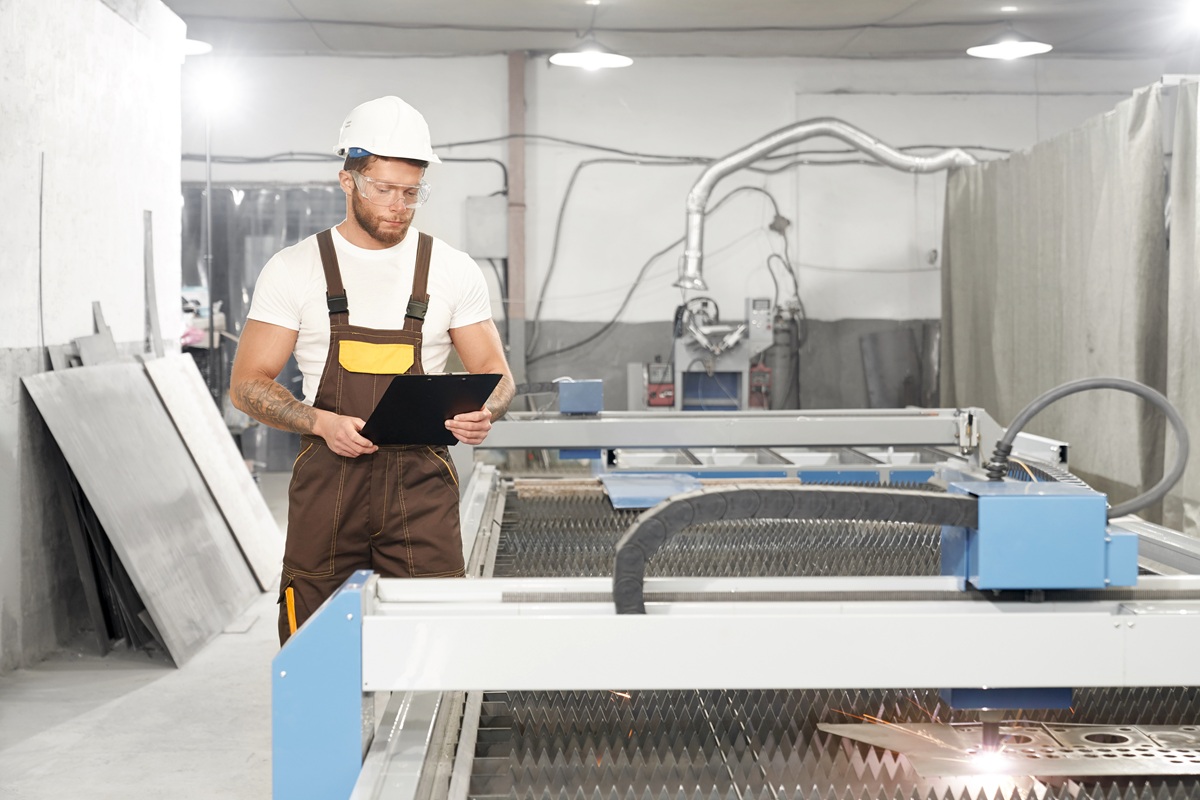
The initial outlay for a quality CNC router ranges from tens of thousands to hundreds of thousands of dollars depending on size and capability. However, increased productivity and reduced labour costs typically deliver payback within two to five years.
Consider the jobs you could take on with CNC capability. Complex projects that were previously impractical become profitable opportunities.
Scaling Production Without Scaling Labour
Here’s a compelling benefit: grow your output without proportionally increasing your wage bill. CNC automation allows small workshops to compete with larger operations, taking on bigger contracts without hiring additional staff.
Entry-Level vs. Industrial Options
Budget-conscious workshops can start with smaller, less expensive machines and upgrade as the business grows. Entry-level CNC routers offer excellent learning opportunities while still delivering tangible productivity improvements.
What Are the Disadvantages of CNC Routers?
No technology is perfect. Initial investment costs represent a significant barrier for many workshops. Setup and installation require proper planning and often professional assistance.
Training requirements shouldn’t be underestimated. Operators need to understand both the machinery and the software, which takes time and potentially external courses.
How to Choose the Right CNC Router for Your Workshop
Start by honestly assessing your production needs. What materials will you cut? What sizes? What volumes? These answers guide your selection.
Key features to evaluate include spindle power (adequate for your materials), bed size (accommodating your typical workpiece dimensions), and software compatibility (working with your existing design tools).
CNC Router Safety and Best Practices
Safety protocols are non-negotiable. Proper guards, emergency stops, and extraction systems protect operators from injury and the workshop from dust accumulation.
The Future of CNC Technology in Modern Workshops
CNC technology continues advancing rapidly. Improved software makes programming easier, while hardware innovations deliver greater speed and precision at lower price points. Integration with other technologies automated loading systems, robotic material handling points toward increasingly autonomous workshops.
Transforming Your Workshop with CNC Precision
CNC routers have genuinely transformed what’s possible in modern workshops. They deliver accuracy levels that manual methods simply cannot match while simultaneously boosting productivity to new heights. The combination of precision cutting, repeatability, and reduced human error creates a compelling case for adoption.
For workshops across Australia whether you’re crafting bespoke furniture in Brisbane or producing signage in Perth CNC technology offers a path to greater competitiveness. The initial investment requires careful consideration, but the returns in productivity, quality, and capability typically justify the outlay.