
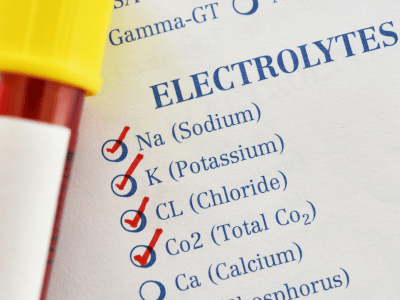
A potassium blood test is a common diagnostic tool used to measure the level of potassium in your bloodstream. Potassium is an essential electrolyte that supports muscle contractions, nerve signaling, fluid balance, and healthy heart function. Because potassium levels can significantly impact overall health, obtaining accurate test results is crucial for proper diagnosis and treatment.
However, many people unknowingly make mistakes before undergoing a potassium blood test that can affect the accuracy of the results. Understanding these common errors can help ensure that your test reflects your true potassium levels and provides reliable information to your healthcare provider. Here are ten common mistakes to avoid before a potassium blood test.
1. Ignoring Your Doctor’s Preparation Instructions
One of the biggest mistakes patients make is failing to follow the instructions provided by their healthcare provider. Depending on your medical history and the reason for testing, your doctor may recommend specific preparations before the test.
These instructions might include dietary restrictions, medication adjustments, or fasting requirements. Ignoring these recommendations can lead to inaccurate potassium measurements, making it difficult for your doctor to assess your health correctly. Always clarify any instructions beforehand and follow them carefully.
2. Taking Potassium Supplements Without Medical Guidance
Many individuals take vitamin and mineral supplements regularly without considering their impact on blood test results. Potassium supplements can temporarily increase potassium levels in the bloodstream and may affect the accuracy of the test.
If you are currently taking potassium supplements, inform your healthcare provider before the test. Do not stop or continue supplements without professional advice, as doing so may interfere with both your health and test outcomes.
3. Consuming Excessive Potassium-Rich Foods Right Before the Test
Foods such as bananas, oranges, avocados, potatoes, spinach, and tomatoes contain high levels of potassium. While these foods are generally beneficial for health, consuming unusually large amounts shortly before testing may influence your potassium readings.
Maintaining your normal eating habits before the test is often recommended unless your doctor provides different instructions. Avoid making sudden dietary changes in the days leading up to your blood test.
4. Forgetting to Mention Your Medications
Certain medications can significantly affect potassium levels. Common examples include:
- Diuretics
- Blood pressure medications
- ACE inhibitors
- Angiotensin receptor blockers (ARBs)
- Corticosteroids
- Some antibiotics
Failing to disclose your medications may result in confusion when interpreting test results. Your healthcare provider needs a complete list of prescription drugs, over-the-counter medications, vitamins, and supplements to accurately evaluate your potassium levels.
5. Becoming Dehydrated Before Testing
Proper hydration plays an important role in obtaining accurate blood test results. Dehydration can alter electrolyte concentrations in the blood and may affect potassium measurements.
People sometimes avoid drinking water before laboratory visits because they mistakenly believe fasting applies to all fluids. Unless instructed otherwise, drinking water is usually encouraged. Staying hydrated can also make the blood draw process easier and more comfortable.
6. Engaging in Intense Physical Exercise
Strenuous exercise before a potassium blood test can temporarily affect potassium levels. During intense physical activity, potassium moves in and out of muscle cells, which may cause short-term fluctuations in the bloodstream.
Heavy workouts, long-distance running, or vigorous sports activities immediately before testing may not accurately reflect your normal potassium status. If possible, avoid intense exercise for several hours before your appointment unless advised differently by your healthcare provider.
7. Not Informing the Lab About Existing Medical Conditions
Certain health conditions can directly influence potassium levels. These include:
- Kidney disease
- Heart disease
- Diabetes
- Adrenal gland disorders
- Severe dehydration
- Chronic gastrointestinal conditions
Providing complete medical information helps laboratory professionals and physicians interpret results more accurately. Failing to disclose relevant health conditions may complicate diagnosis and treatment decisions.
8. Smoking or Using Tobacco Before the Test
Smoking and tobacco use can affect various aspects of blood chemistry and may potentially influence laboratory results. Some healthcare providers recommend avoiding smoking before blood tests to minimize unnecessary variables.
If you smoke regularly, ask your healthcare provider whether any restrictions apply before your potassium test. Following their guidance can help improve the reliability of the results.
9. Delaying the Test After Symptoms Appear
Some people experience symptoms such as muscle weakness, fatigue, irregular heartbeat, or muscle cramps but postpone testing for days or weeks. Delaying a potassium blood test when symptoms are present may allow an underlying condition to worsen.
Potassium imbalances can sometimes become serious if left untreated. Seeking timely testing allows healthcare providers to identify abnormalities early and begin appropriate treatment before complications develop.
10. Assuming Normal Results Mean No Further Monitoring Is Needed
Another common mistake occurs after receiving normal potassium test results. Some patients assume they never need follow-up testing, even if they have chronic medical conditions or continue taking medications that affect potassium levels.
Potassium levels can change over time due to illness, medications, dietary changes, or kidney function alterations. Individuals with ongoing health conditions may require regular monitoring to ensure potassium remains within a healthy range.
Why Accurate Potassium Test Results Matter
Potassium is essential for maintaining normal heart rhythm, muscle function, and nerve activity. Even small deviations from the normal range can affect important bodily functions.
Accurate test results help healthcare providers:
- Diagnose electrolyte imbalances
- Evaluate kidney health
- Monitor medication effects
- Assess heart-related conditions
- Guide treatment decisions
- Prevent serious complications
Avoiding common preparation mistakes ensures that the test reflects your actual potassium status and provides the information needed for proper medical care.
What to Expect During a Potassium Blood Test
A potassium blood test is a simple procedure that usually takes only a few minutes. A healthcare professional collects a small blood sample from a vein in your arm using a sterile needle.
Most individuals experience only mild discomfort during the blood draw. Afterward, the sample is sent to a laboratory for analysis. Results are typically available within a short period, depending on the healthcare facility.
Your doctor will review the findings and explain whether your potassium levels fall within the normal range or if additional evaluation is required.
Tips for Preparing for a Potassium Blood Test
To improve the accuracy of your test results:
- Follow all instructions provided by your doctor.
- Inform your healthcare provider about medications and supplements.
- Stay adequately hydrated unless instructed otherwise.
- Maintain your normal diet.
- Avoid excessive exercise before testing.
- Share your complete medical history.
- Attend the appointment on time.
These simple steps can help ensure reliable potassium test in karachi and support accurate medical decision-making.
Conclusion
A potassium blood test is a valuable tool for evaluating electrolyte balance, kidney function, heart health, and overall wellness. However, several common mistakes can affect the accuracy of test results, including ignoring preparation instructions, taking supplements without guidance, becoming dehydrated, exercising intensely, and failing to disclose medications or medical conditions.
By understanding and avoiding these errors, patients can help ensure that their potassium test provides meaningful and reliable information. Accurate results enable healthcare providers to diagnose problems early, monitor ongoing conditions effectively, and recommend the most appropriate treatment options.
For convenient access to diagnostic testing services, healthcare information, and trusted medical professionals, Instacare.pk offers an easy way to connect with quality healthcare resources. Taking the right steps before your potassium blood test can contribute to more accurate results and better long-term health management.