
Most people look at a solar panel and see a large piece of glass in a metal frame. While the glass and the frame are important, there is a hidden layer inside that does most of the heavy lifting. This layer keeps the delicate solar cells safe from the outside world. One of the best materials for this job is the EPE encapsulant sheet. In this guide, we will look at how this material works and why it is so popular in the solar energy world today.
What Is an EPE Encapsulant Sheet?
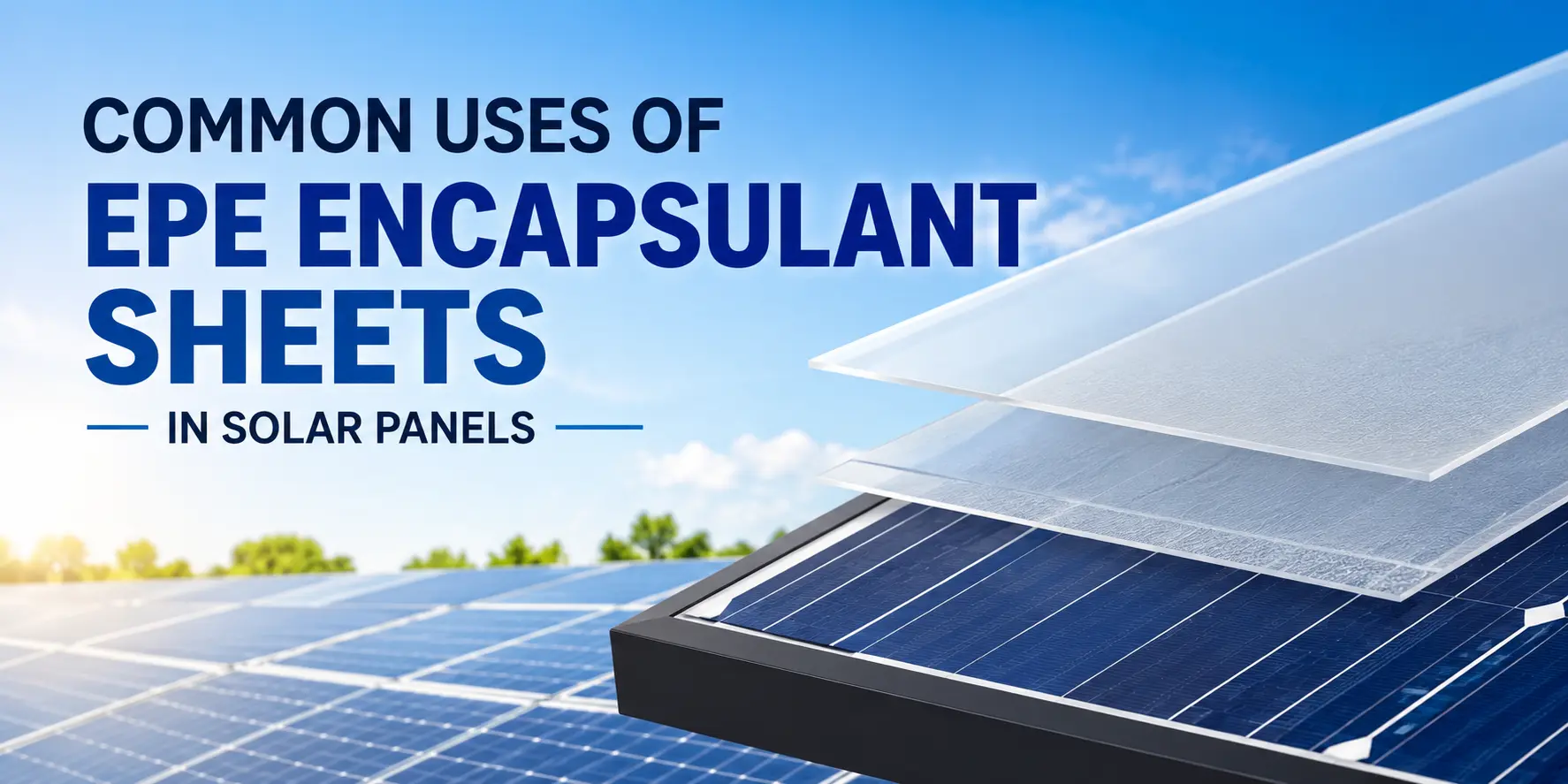
An EPE encapsulant sheet is a special type of protective film. It is made by combining two different materials: EVA (Ethylene Vinyl Acetate) and POE (Polyolefin Elastomer). Think of it like a sandwich. The POE is the filling in the middle, and the EVA is the bread on the outside. This combination is very smart. The EVA helps the sheet stick tightly to the glass and the solar cells. The POE layer in the middle acts as a powerful shield against moisture and electricity leaks.
By using this “sandwich” design, manufacturers get the benefits of both materials. It is flexible, clear, and very tough. This makes it an ideal solar encapsulant material for modern solar panels. It provides the strength needed to hold the panel together while ensuring that the sunlight can still pass through to the cells without any trouble.
Why Are EPE Encapsulant Sheets Used in Solar Modules?
Solar panels are expected to sit outside in the sun, rain, and snow for over 25 years. This is a very long time for any piece of technology to last. The biggest enemies of a solar panel are moisture and a problem called PID (Potential Induced Degradation). PID happens when electricity leaks out of the cells and causes the panel to lose its power-making ability. EPE Encapsulant Sheets are excellent at stopping this from happening.
These sheets are also great at keeping water out. Even a tiny bit of moisture inside a solar panel can cause the metal parts to rust or corrode. Because the POE layer inside the EPE sheet is so good at blocking water, it keeps the inside of the panel bone-dry. This helps the panel stay efficient and produce more electricity for a much longer period. Using an EPE Sheet for solar panel production ensures that the investment lasts as long as possible.
Common Uses of EPE Encapsulant Sheets in the Solar Industry
There are many different types of solar projects, and each one has different needs. However, the need for protection is always there. EPE Encapsulant Sheets have become a standard choice for many different types of solar panel setups.
Monofacial Solar Panels
Monofacial panels are the traditional panels that only catch light on the front side. Even though these are simpler than some newer designs, they still need high-quality protection. Using an epe sheet in these panels helps prevent the “yellowing” effect that sometimes happens with cheaper materials. When a panel turns yellow, it blocks the sunlight, and the panel stops working as well. EPE keeps the panel clear and productive.
Bifacial Solar Modules
Bifacial panels are a newer technology where the panel can catch light from both the front and the back. This is great for making more energy, but it also means both sides need to be protected from the weather. EPE Encapsulant Sheets are the perfect choice here. Since the back side is often made of glass as well, the EPE sheet provides a strong bond and excellent moisture protection that simple EVA cannot match on its own.
High-Efficiency Solar Modules
High-efficiency panels use advanced cells that are very sensitive. These cells can be easily damaged by heat or moisture. Because EPE sheets provide such a stable environment, they are the preferred choice for these high-tech panels. They ensure that the sensitive cells are cushioned and shielded from any environmental stress that could lower their efficiency.
Utility-Scale Solar Power Plants
When companies build huge solar farms with thousands of panels, they need to know those panels will work without breaking. Repairing panels in the middle of a desert or a large field is very expensive. These large projects use EPE Encapsulant Sheets because they offer the best reliability. They help ensure that the entire power plant keeps running smoothly for decades without losing power due to material failure.
Commercial Solar Projects
Businesses often put solar panels on their roofs to save money on electricity. These panels need to be very durable because they are often exposed to city pollution and varying weather conditions. EPE sheets provide the durability needed for these commercial systems. They give business owners peace of mind knowing that their green energy investment is well-protected.
Residential Solar Systems
For homeowners, a solar system is a big purchase. Most families want their panels to look good and work perfectly for the next 30 years. EPE Encapsulant Sheets help maintain the look of the panels by preventing internal corrosion and visible damage. This makes them a great choice for home installations where long-term value is the most important factor.
Industries That Commonly Use EPE Encapsulant Sheets
While the solar industry is the main user, several different areas within it rely on this material. Solar module manufacturers are the primary buyers. They use these sheets in their factories to laminate the panels. Research and development labs also use them when testing new types of solar cells to see how they perform under extreme stress.
Additionally, companies that focus on renewable energy infrastructure rely on these materials. Any industry that needs a clear, waterproof, and electrically insulating layer for outdoor equipment might find a use for this technology. However, its primary home remains in the heart of the clean energy revolution.
Why Choose Raynex Solar for EPE Encapsulant Sheets?
When it comes to solar materials, quality is everything. Choosing EPE Encapsulant Sheets from a trusted provider like Raynex Solar ensures that you are getting the best technology available. We focus on creating materials that meet the highest standards for moisture resistance and bonding strength. Our sheets are designed to help solar panels survive in the toughest environments on Earth.
At Raynex Solar, we understand that a solar panel is only as good as the materials inside it. We use advanced manufacturing processes to ensure that every roll of encapsulant is consistent and reliable. By choosing us, you are choosing a partner that cares about the future of renewable energy and the long-term success of your solar projects.
Conclusion
EPE Encapsulant Sheets are a vital part of the modern solar industry. They offer a unique mix of protection, clarity, and durability that keeps solar panels working at their best. Whether it is for a small home roof or a massive desert power plant, these sheets provide the shield that solar cells need to turn sunlight into clean energy for years to come. If you are looking for high-quality solar materials, choosing EPE technology is a smart move for a greener future.
Frequently Asked Questions
What is an EPE encapsulant sheet used for?
It is used to laminate and protect solar cells inside a solar panel, keeping out moisture and preventing electrical loss.
Is an EPE encapsulant sheet better than EVA?
Yes, in many cases. EPE combines EVA and POE, offering better moisture resistance and protection against PID than standard EVA alone.
Can EPE encapsulant sheets be used in bifacial solar modules?
Absolutely. They are actually the preferred choice for bifacial modules because they offer superior protection for the back side of the panel.
How long does an EPE encapsulant sheet last?
They are designed to last for the entire lifespan of a solar panel, which is typically 25 to 30 years.
What thickness is commonly used for EPE encapsulant sheets?
Common thicknesses range from 0.40mm to 0.65mm, depending on the specific requirements of the solar panel design.
Why is moisture resistance important in EPE encapsulant sheets?
Moisture can cause solar cells to rust or short circuit. EPE sheets act as a barrier to keep the internal components dry and functional.