
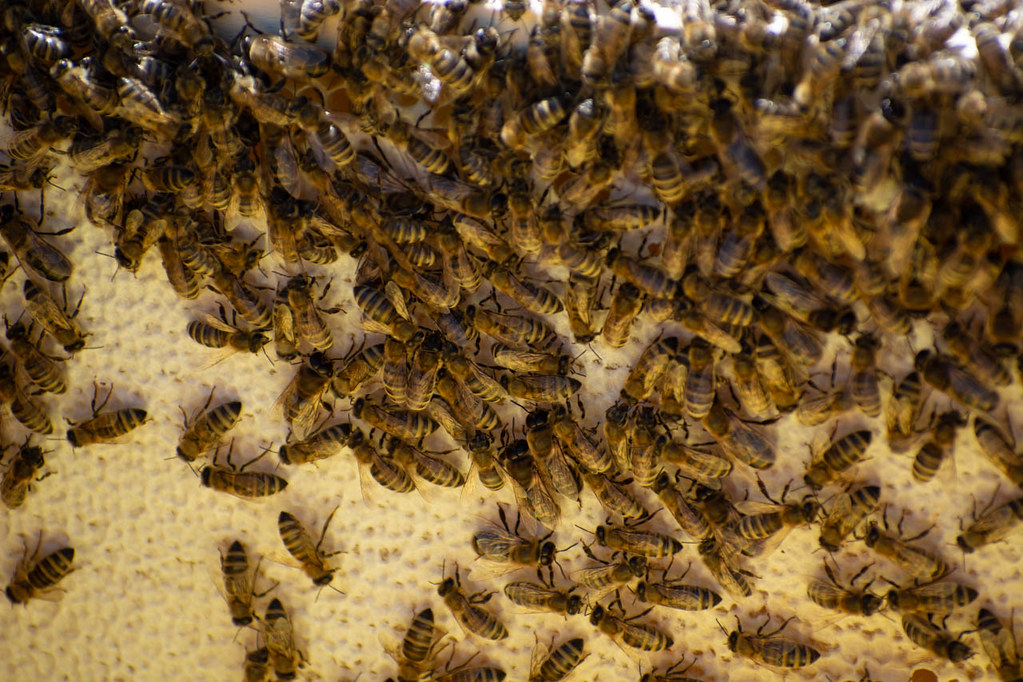
Many people associate bee colonies with tree hollows, roof spaces, or wall cavities, but not every species chooses elevated locations. Some types of pollinators naturally build underground homes, making gardens, lawns, flower beds, and open soil attractive places for nesting. Discovering insects flying close to the ground can be surprising, especially when there are no visible hives nearby. Understanding how a bees nest develops below the surface helps homeowners recognize early warning signs and respond appropriately without disturbing beneficial pollinators.
Ground-nesting species play an essential role in pollinating flowers, vegetables, and fruit crops. They contribute significantly to healthy ecosystems, yet their nesting habits can occasionally create challenges in residential landscapes where people frequently walk, garden, or allow children and pets to play. Instead of reacting with fear, learning about their behavior encourages safe and environmentally responsible decisions. Recognizing early activity allows homeowners to prevent conflicts while preserving the valuable role these insects play in nature.
Understanding How a Bees Nest Forms Underground
Not every bee species produces large colonies inside trees or buildings. Many solitary species prefer dry, well-drained soil where they can excavate narrow tunnels leading to individual nesting chambers. Each female typically creates her own underground passage, depositing pollen and nectar to nourish developing larvae before sealing each chamber.
Ground conditions greatly influence where these insects choose to settle. Bare patches of soil exposed to sunlight often attract nesting activity because they remain warm and relatively easy to dig. Sandy or loose soil provides ideal conditions compared to compacted clay or consistently damp ground. Gardens with minimal vegetation, walking paths, and open areas around flower beds frequently become suitable nesting locations.
Although the entrance to an underground colony may appear insignificant, closer observation often reveals small circular holes surrounded by loose soil. Increased flying activity around these openings usually becomes noticeable during warm, sunny weather when adults leave and return throughout the day. Unlike aggressive insects searching for food near outdoor meals, ground-nesting pollinators typically remain focused on their nesting site and nearby flowers.
Seasonal timing also affects nesting behavior. Spring generally marks the beginning of increased activity as emerging adults establish new nesting areas. Throughout the season, the underground tunnels gradually expand as additional chambers are created for future generations. Understanding this natural cycle helps homeowners distinguish normal pollinator behavior from more serious structural infestations.
Early Signs That a Bees Nest May Be Present
Detecting underground nesting activity early prevents unnecessary concern while allowing homeowners to make informed decisions. One of the first noticeable signs involves repeated insect movement in a concentrated area of the yard. Instead of random flight patterns across the landscape, individuals consistently travel to and from specific points in the soil.
Small holes measuring only a fraction of an inch wide may appear scattered throughout exposed ground. Freshly excavated soil often surrounds these openings, creating tiny mounds that resemble miniature volcanoes. Unlike ant hills, these entrances generally remain clean and unobstructed because frequent movement keeps the passage clear.
Another indication is increased pollinator activity during the warmest hours of the day. Sunny weather encourages repeated flights as adults gather nectar and pollen from nearby flowers before returning underground. Homeowners may notice dozens of insects hovering close to the ground while remaining largely uninterested in nearby people.
Garden maintenance sometimes reveals additional clues. Digging, planting, or mowing near active nesting sites may temporarily increase visible movement as insects respond to vibrations. Remaining calm and slowly moving away usually allows normal activity to resume without provoking defensive behavior.
Not every hole in the ground belongs to pollinators. Beetles, wasps, ants, and other insects also create underground shelters. Careful observation rather than immediate intervention helps determine whether the activity represents beneficial pollinators or another type of insect requiring different management techniques.
Protecting Your Yard Without Disturbing a Bees Nest
Once underground activity has been identified, avoiding unnecessary disturbance becomes the safest approach. Stepping directly on nesting areas, operating heavy equipment nearby, or repeatedly digging around entrances may cause insects to become defensive while protecting developing offspring.
Maintaining healthy landscaping naturally reduces future conflicts. Thick grass cover limits the amount of exposed soil available for new nesting sites, while mulch around garden beds decreases suitable digging areas. These simple landscaping practices discourage future colonies without introducing harmful chemicals into the environment.
Water management also influences nesting preferences. Consistently moist soil is generally less attractive than dry, sandy ground. Proper irrigation balances plant health while making certain areas less favorable for extensive underground tunnel construction.
If a nesting site develops in a location where family members, pets, or visitors frequently walk, professional evaluation may provide the safest solution. During an inspection, an experienced bee removal service in Fountain Valley can determine whether relocation is necessary and recommend environmentally responsible methods that protect both the property and valuable pollinator populations without causing unnecessary harm.
Education remains one of the most effective preventive tools. Homeowners who recognize seasonal activity are better prepared to identify nesting behavior before it becomes a concern. Understanding that many pollinators are focused primarily on gathering food rather than interacting with people helps reduce unnecessary fear.
Long-Term Prevention and Responsible Management of a Bees Nest
Successful property management focuses on prevention rather than elimination. Regular lawn care, landscape maintenance, and seasonal inspections help reduce conditions that encourage underground nesting while maintaining an attractive outdoor environment. Covering unused soil with ground cover plants, decorative stone, or organic mulch limits exposed surfaces that many species prefer.
Routine observation also allows homeowners to detect changes early. Watching for repeated flight patterns, newly formed soil openings, and concentrated insect activity provides valuable information before colonies become well established. Early awareness creates more options for safe management if intervention eventually becomes necessary.
Avoiding pesticides is particularly important. Chemical treatments may harm beneficial pollinators, contaminate surrounding vegetation, and disrupt local ecosystems that depend on healthy insect populations. In many situations, colonies remain active only for a limited season before naturally declining or relocating. Patience often proves to be the most environmentally responsible solution.
Community awareness supports long-term success as well. Neighbors who understand the importance of pollinators are more likely to adopt landscaping practices that balance ecological health with residential comfort. Gardens designed to attract insects away from high-traffic areas allow pollination to continue while reducing close encounters around homes.
Although discovering underground activity can initially seem alarming, understanding the natural behavior of a bees nest provides reassurance. Most ground-nesting pollinators contribute positively to the environment and rarely become aggressive unless directly threatened. By recognizing early signs, maintaining healthy landscapes, and choosing humane management strategies when needed, homeowners can protect their families while supporting the essential ecological role these remarkable insects perform. A thoughtful approach creates safer outdoor spaces and encourages long-term harmony between residential properties and the natural world.