
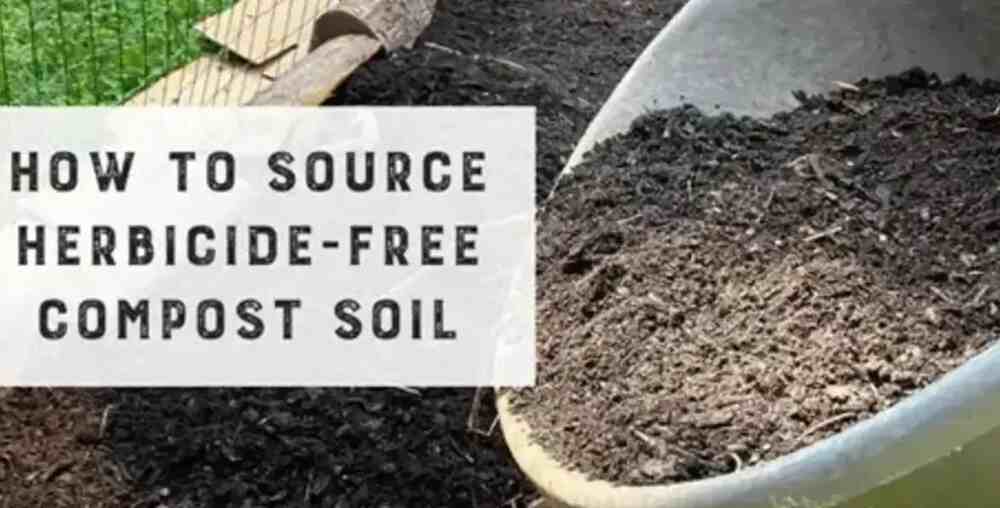
Compost and straw are widely used in gardening, farming, and landscaping to improve soil health, retain moisture, and suppress weeds. However, not all organic materials are as beneficial as they appear. In recent years, herbicide contamination in compost and straw has become a growing concern among gardeners and agricultural producers. Even small amounts of persistent herbicides can damage crops, reduce yields, and disrupt healthy soil ecosystems.
Understanding the causes, risks, and available solutions can help growers avoid costly mistakes and maintain productive gardens and farms – belirangkalisari.
What Is Herbicide Contamination?
Herbicide contamination occurs when residual chemicals remain in organic materials such as hay, straw, manure, or compost. Certain herbicides are designed to target broadleaf weeds while leaving grasses unharmed. Although effective in pastures and grain production, some of these chemicals are highly persistent and can survive through multiple stages of decomposition.
When contaminated plant materials are used to create compost or mulch, the herbicide residues may remain active and affect sensitive plants long after the original application.
Common Sources of Contamination
Several materials can introduce herbicide residues into compost or straw:
1. Treated Hay and Straw
Farmers often use selective herbicides to control weeds in pastures and cereal crops. The resulting hay or straw may contain residues that persist even after harvesting.
2. Livestock Manure
Animals consuming treated forage may pass herbicide residues through their digestive systems. Manure collected from horses, cattle, goats, or other livestock can therefore become contaminated.
3. Municipal Compost
Large-scale composting facilities may unknowingly process contaminated grass clippings, leaves, and agricultural waste, allowing persistent herbicides to enter finished compost products.
4. Grass Clippings
Lawns treated with weed killers can produce clippings containing herbicide residues. Adding these clippings to home compost piles may spread contamination.
Herbicides Most Commonly Involved
Certain herbicides are known for their long-lasting properties. Common examples include:
- Aminopyralid
- Clopyralid
- Picloram
- Aminocyclopyrachlor
These chemicals are highly effective against broadleaf weeds but can remain active for months or even years under certain conditions.
Signs of Herbicide Damage
Plants affected by contaminated compost or straw often display unusual growth patterns. Common symptoms include:
Twisted or Distorted Leaves
Young leaves may curl, twist, or appear narrow and elongated.
Stunted Growth
Plants may fail to reach their normal size and exhibit poor development.
Reduced Flower and Fruit Production
Tomatoes, peppers, beans, peas, and other broadleaf crops often produce fewer flowers and fruits.
Abnormal Stem Development
Stems may become bent, thickened, or misshapen.
Uneven Plant Growth
Some plants in the same bed may thrive while others show severe injury, depending on their sensitivity.
These symptoms can sometimes resemble nutrient deficiencies or disease, making proper diagnosis essential.
Plants Most Sensitive to Herbicide Residues
Not all plants react equally to contamination. Highly sensitive crops include:
- Tomatoes
- Peppers
- Potatoes
- Eggplants
- Beans
- Peas
- Lettuce
- Spinach
- Sunflowers
- Roses
Grass species and cereal crops are generally more tolerant because many persistent herbicides are designed specifically to spare them.
Risks to Gardeners and Farmers
Crop Losses
One of the most serious consequences is reduced yields or complete crop failure. Vegetable gardens are particularly vulnerable because many popular crops belong to broadleaf plant families.
Economic Damage
Commercial growers may experience significant financial losses due to lower production, replanting expenses, and delayed harvests.
Wasted Time and Labor
Gardeners invest considerable effort into preparing beds, planting, watering, and maintaining crops. Contamination can undo months of work.
Soil Recovery Challenges
Persistent herbicides may remain active in soil for extended periods, making it difficult to grow sensitive crops until residues break down naturally.
Loss of Consumer Confidence
Producers selling organic or specialty crops may suffer reputational damage if contaminated materials affect product quality.
How to Test for Herbicide Contamination
Before using compost or straw in large quantities, conducting a simple bioassay test is highly recommended.
Step 1: Prepare Samples
Mix suspected compost or soil with clean potting mix. Prepare a control sample using only uncontaminated soil.
Step 2: Plant Sensitive Seeds
Beans and peas are commonly used because they respond quickly to herbicide residues.
Step 3: Observe Growth
Monitor plants for two to three weeks. Healthy, normal growth indicates that contamination is unlikely. Twisted leaves and abnormal development may suggest herbicide presence.
This simple test can prevent major crop losses.
Preventing Herbicide Contamination
Know Your Supplier
Ask suppliers about their farming practices and whether persistent herbicides have been used on hay, straw, or pasture land.
Source Materials Carefully
Purchase compost and mulch from reputable producers with clear quality-control procedures.
Avoid Unknown Manure Sources
Horse manure is often prized by gardeners, but it can carry residues if animals consumed treated forage. Always inquire about feed history.
Keep Records
Document where compost ingredients originate. Traceability helps identify problems quickly if symptoms appear.
Test New Materials
Conduct bioassays before applying large amounts of compost or mulch to vegetable gardens.
Solutions for Contaminated Soil
Allow Natural Breakdown
Microorganisms, sunlight, and moisture gradually degrade herbicide residues. Depending on the chemical involved, this process may take several months or longer.
Grow Tolerant Crops
Grasses and cereal crops are generally less sensitive and may be grown while waiting for residues to dissipate.
Improve Soil Conditions
Maintaining adequate moisture, aeration, and organic matter encourages microbial activity, which helps accelerate decomposition.
Avoid Adding More Contaminated Materials
Prevent further accumulation by identifying and eliminating the original source.
Replace Severely Affected Soil
In extreme cases, removing contaminated soil or raised-bed contents may be the most practical solution.
The Importance of Awareness
Herbicide contamination highlights the importance of understanding the origins of organic materials used in gardening and agriculture. Compost and straw remain valuable tools for improving soil health, but quality and source verification are equally important.
By purchasing from trusted suppliers, testing questionable materials, and recognizing early warning signs, gardeners and farmers can protect their crops and avoid costly setbacks.
Conclusion
Herbicide-contaminated compost and straw present a hidden threat that can affect both small gardens and large agricultural operations. Persistent herbicides may survive composting processes and cause severe injury to sensitive plants. Fortunately, careful sourcing, routine testing, and proper management can greatly reduce the risks.
As awareness grows, growers can continue to enjoy the many benefits of compost and straw while safeguarding the health and productivity of their soil for years to come.