
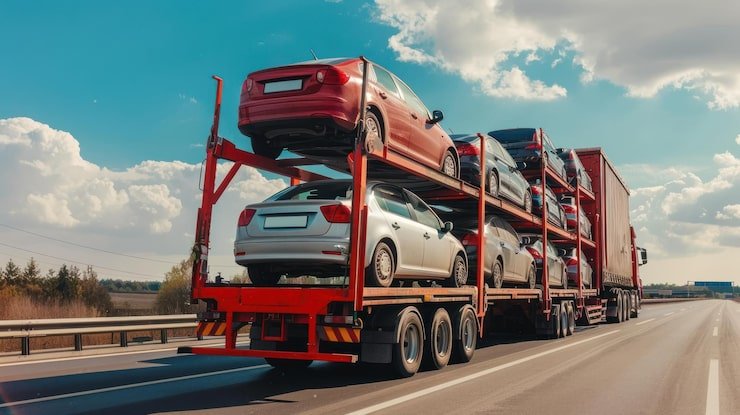
If you are planning to move your vehicle across the country, one of your first questions is likely: how much to ship a car from California to Virginia? Whether you are relocating for work, moving closer to family, purchasing a vehicle online, or planning a long-distance move, understanding car shipping costs can help you budget effectively.
California and Virginia are separated by thousands of miles, making professional auto transport a practical alternative to driving the entire distance yourself. Instead of dealing with fuel expenses, hotel stays, road fatigue, and additional mileage, you can arrange for a professional carrier to transport your vehicle.
The cost of shipping a car from California to Virginia depends on several factors, including the exact pickup and delivery locations, vehicle size, transportation method, time of year, and carrier availability. Open auto transport is generally the most economical option, while enclosed car transport offers additional protection for luxury, classic, and high-value vehicles.
Rapid Auto Shipping helps customers arrange vehicle transportation across the United States, including California-to-Virginia routes. In this guide, you will learn about typical shipping costs, delivery times, pricing factors, available transport services, and practical ways to get a competitive quote.
How Much to Ship a Car from California to Virginia?
The price of shipping a vehicle from California to Virginia varies according to the route, vehicle specifications, and current market conditions. Because this is a long-distance shipment, carrier availability and scheduling flexibility can also influence the final quote.
The following figures are illustrative budgeting ranges, not live quotes or guaranteed prices.
Estimated California-to-Virginia Car Shipping Costs
| Vehicle Type | Open Transport Estimate | Enclosed Transport Estimate |
|---|---|---|
| Compact car | $1,000–$1,500 | $1,400–$2,100 |
| Sedan | $1,050–$1,600 | $1,450–$2,200 |
| SUV | $1,200–$1,800 | $1,650–$2,500 |
| Pickup truck | $1,300–$1,950 | $1,800–$2,700 |
| Luxury or classic car | Depends on size and requirements | $1,600–$3,000+ |
These broad estimates are for initial planning only. Actual prices may fall outside these ranges depending on route, season, vehicle dimensions, fuel costs, carrier capacity, and pickup requirements. Luxury and classic vehicles can require specialized arrangements.
For example, shipping a standard sedan from Los Angeles to Richmond may cost less than transporting a large pickup truck from a remote part of Northern California to a less accessible destination in Virginia.
To obtain a more accurate price, request a quote based on your vehicle, exact ZIP codes, preferred pickup date, and transport type.
What Factors Affect the Cost of Shipping a Car from California to Virginia?
Understanding the factors that determine your quote helps you compare providers and make informed decisions.
1. Shipping Distance and Route
California-to-Virginia transportation involves a cross-country journey. The exact distance depends on the origin and destination, as well as the carrier’s route.
Shipping between major metropolitan areas may be more straightforward because carriers often serve popular transportation corridors. Remote pickup locations or destinations far from major routes can require additional coordination.
For example, shipping from Los Angeles to Northern Virginia may involve different costs from shipping between a rural California community and Virginia’s southwestern region.
2. Vehicle Size and Weight
The dimensions and weight of your vehicle affect how much space it occupies on a transport carrier.
Compact cars and standard sedans are generally less expensive to transport than oversized SUVs, large pickup trucks, and full-size vans.
When requesting a quote, provide the correct year, make, and model. If your vehicle has aftermarket modifications, oversized tires, a roof rack, or a lift kit, disclose those details because they can affect loading and carrier compatibility.
3. Open vs. Enclosed Auto Transport
Your choice of transportation method is one of the most important pricing decisions.
Open auto transport
Open carriers transport vehicles on trailers exposed to outdoor conditions. This is a common and generally economical method for standard cars, SUVs, and trucks.
Benefits include:
- Typically lower costs than enclosed transport.
- Broad availability on many interstate routes.
- Practical transportation for everyday vehicles.
- Suitable for many routine relocations and vehicle purchases.
Enclosed car transport
Enclosed carriers transport vehicles inside a covered trailer, providing additional protection from weather and road debris.
This option may be suitable for:
- Luxury vehicles.
- Classic and collector cars.
- Exotic sports cars.
- Restored automobiles.
- Vehicles requiring specialized handling.
Enclosed shipping generally costs more because of equipment, capacity, and operational differences. However, owners of high-value vehicles may consider the added protection worthwhile.
4. Time of Year and Seasonal Demand
Auto transport prices can fluctuate throughout the year.
Summer is a popular moving season, while late-year and winter travel patterns can influence demand on specific routes. Seasonal relocation between colder northern states and warmer destinations may also affect carrier availability.
If your move is flexible, compare quotes for different pickup windows rather than assuming one particular month will always be cheaper.
5. Pickup and Delivery Locations
Your exact locations matter when calculating the cost to ship a car from California to Virginia.
Pickup or delivery in a major city may offer more convenient access to established carrier routes. Rural addresses, remote communities, restricted roads, and locations with limited truck access can require extra coordination.
Door-to-door transport is usually arranged as close to your requested addresses as safely and legally possible. If a large carrier cannot reach a residential street, the driver may arrange a nearby accessible meeting point.
6. Vehicle Condition
A vehicle that starts, steers, and brakes normally is generally easier to load and unload.
If your vehicle is inoperable, the carrier may need a winch or specialized equipment. This can increase the price and limit the available transport options.
Always disclose mechanical problems before confirming your booking.
7. Pickup Flexibility and Expedited Service
If you need your vehicle collected on a specific date, your shipment may require a more limited set of carrier options.
Expedited car shipping can help arrange faster pickup when available, but it may cost more than a flexible booking. A guaranteed pickup window, if offered, should be clearly documented in your agreement.
Remember that expedited pickup does not automatically guarantee a particular delivery date.
How Long Does It Take to Ship a Car from California to Virginia?
Car shipping from California to Virginia typically involves a long cross-country journey. For many standard shipments, a reasonable initial planning estimate is approximately 7–12 days in transit, although some shipments may take longer.
The actual timeline depends on the route, distance, carrier schedule, weather, traffic, pickup coordination, and delivery access.
It is also important to distinguish between the time needed to assign a carrier and the time the vehicle spends in transit. Your overall shipping timeline may include both.
What Can Delay Delivery?
Several factors can affect your vehicle’s arrival date:
- Severe weather or road closures.
- Traffic and construction delays.
- Pickup or delivery access restrictions.
- Driver scheduling requirements.
- Changes in carrier availability.
- Additional stops along a shared transport route.
When booking with Rapid Auto Shipping, ask for an estimated pickup window and delivery timeframe. Confirm how you will receive updates and whom to contact if the schedule changes.
If you are moving into a new home or need your car for work, allow some flexibility instead of planning around an unconfirmed exact arrival time.
Open vs. Enclosed Transport: Which Is Best for Your Vehicle?
Selecting the appropriate shipping method helps you balance cost, protection, and vehicle requirements.
| Feature | Open Transport | Enclosed Transport |
|---|---|---|
| Typical cost | More affordable | More expensive |
| Weather exposure | Exposed to outdoor conditions | Covered trailer |
| Availability | Common on many routes | Depends on route and equipment |
| Best suited for | Everyday vehicles | Luxury, classic, and specialty vehicles |
| Loading requirements | Standard carrier requirements | May involve specialized equipment |
For most everyday vehicles, open auto transport provides a practical balance between cost and convenience.
For a rare collectible or high-value sports car, enclosed transport may be worth considering. Before choosing, ask about cargo insurance, coverage limits, exclusions, deductibles, and the carrier’s vehicle-handling procedures.
How to Save Money on California-to-Virginia Car Shipping
You can often make your vehicle shipment more affordable by planning ahead and comparing suitable options.
1. Book in Advance
Start comparing auto transport quotes as soon as your moving dates become reasonably clear. Advance planning gives you more time to review offers and coordinate pickup.
There is no universal booking window that guarantees the lowest price, but avoiding unnecessary last-minute arrangements can provide greater flexibility.
2. Choose Open Auto Transport
If your vehicle does not require specialized protection, open shipping is generally the more economical option.
Compare the total quoted price rather than choosing a method based only on its advertised starting rate.
3. Stay Flexible With Pickup Dates
If you can accommodate a broader pickup window, the provider may have more options for matching your shipment with available carrier capacity.
Ask whether flexible dates could affect your quote.
4. Compare Multiple Quotes
Request estimates from several reputable auto transport providers and compare the services included.
Review pricing, payment terms, pickup expectations, insurance information, cancellation conditions, and communication procedures.
Be cautious of unusually low quotes that are not supported by clear terms or realistic carrier availability.
5. Provide Accurate Vehicle Information
Incorrect details can lead to revised quotes or loading problems.
Provide the correct vehicle dimensions and condition, and disclose modifications or mechanical issues before booking.
6. Choose Accessible Pickup and Delivery Points
If the carrier cannot reach your street safely, arranging a nearby accessible location may simplify the handover.
Discuss this option with your provider before confirming the shipment.
7. Avoid Unnecessary Changes
Changing the destination, vehicle, or pickup date after booking can affect scheduling and pricing.
Confirm your shipment details before finalizing the agreement, and communicate changes as early as possible.
Why Choose Rapid Auto Shipping for California-to-Virginia Vehicle Transport?
Finding the right auto transport company means looking beyond the lowest advertised price. You need clear communication, suitable carrier arrangements, understandable terms, and realistic scheduling expectations.
Rapid Auto Shipping helps customers arrange vehicle transportation across state lines and throughout the United States.
Customers shipping from California to Virginia can explore services that may include:
- Open auto transport: A practical option for many standard cars and SUVs.
- Enclosed car transport: Additional protection for vehicles that warrant specialized transportation.
- Door-to-door auto transport: Pickup and delivery near requested addresses when access permits.
- Expedited shipping arrangements: Options for customers with urgent pickup needs, subject to availability.
- Route-specific quotes: Estimates based on vehicle details, locations, and preferred timing.
Before booking, confirm the provider’s role as a broker or motor carrier, the carrier’s applicable registration and insurance information, and all terms associated with your shipment.
For interstate transportation, you can review relevant company registration information through the Federal Motor Carrier Safety Administration at https://www.fmcsa.dot.gov/.
To get started, provide your pickup ZIP code in California, your delivery ZIP code in Virginia, your vehicle information, and your preferred pickup window. These details will help you obtain a quote that better reflects your requirements.
How the Car Shipping Process Works
Shipping your vehicle across the country can be straightforward when you understand the steps involved.
Step 1: Request a Quote
Submit your pickup and delivery locations, vehicle details, preferred transport method, and approximate shipping dates.
Step 2: Review Your Options
Compare open and enclosed transport, estimated pricing, scheduling expectations, and payment terms.
Step 3: Confirm Your Booking
Read the agreement carefully and confirm whether the pickup date is estimated or guaranteed. Understand cancellation terms and any conditions that may affect the final price.
Step 4: Prepare Your Vehicle
Before pickup:
- Remove personal belongings and unnecessary accessories.
- Leave approximately one-quarter tank of fuel unless instructed otherwise.
- Disable alarms when appropriate.
- Secure loose exterior items.
- Photograph the vehicle from multiple angles.
- Disclose mechanical issues, fluid leaks, and unusual operating conditions.
Follow any additional instructions provided by the carrier.
Step 5: Inspect Your Vehicle at Pickup
Review the vehicle’s condition with the driver and ensure existing damage is documented on the applicable inspection report or bill of lading.
Keep a copy of the paperwork for your records.
Step 6: Receive and Inspect Your Car
Coordinate delivery with the carrier or transportation provider. At arrival, inspect your vehicle carefully and compare its condition with the pickup documentation.
Document any newly observed damage on the delivery paperwork and promptly notify the relevant parties.
Frequently Asked Questions About Shipping a Car from California to Virginia
1. How much does it cost to ship a car from California to Virginia?
A preliminary budgeting estimate for a standard vehicle is approximately $1,000–$1,800 for open transport. Enclosed transport may cost approximately $1,400–$2,500 or more, depending on vehicle type and route conditions. These figures are illustrative, not live quotes or guaranteed rates.
2. What is the cheapest way to ship a car from California to Virginia?
Open auto transport is generally the most economical option for standard vehicles. Flexible pickup dates, accurate vehicle information, and comparing complete quotes may also help control costs.
3. How long does car shipping from California to Virginia take?
Many shipments require approximately 7–12 days in transit, but the actual delivery time varies with route, weather, carrier scheduling, and other conditions. Confirm the expected timeframe with your provider before booking.
4. Is door-to-door car shipping available between California and Virginia?
Door-to-door shipping may be available when carrier access permits. If a large truck cannot safely reach your address, the driver may arrange a nearby accessible pickup or delivery point.
5. Is open auto transport safe for long-distance shipping?
Open transport is widely used for interstate vehicle shipping. However, vehicles remain exposed to normal outdoor conditions, and no transport method eliminates all risk. Review the carrier’s insurance information and document your vehicle’s condition before pickup.
6. Should I choose enclosed transport for a luxury car?
Enclosed transport may be appropriate for luxury, classic, exotic, or collectible vehicles because it provides additional protection from weather and road debris. The decision depends on your vehicle, budget, and protection requirements.
7. Can I ship a non-running car from California to Virginia?
Yes, non-running vehicles can often be transported with suitable equipment. Additional charges may apply, and availability depends on the vehicle’s condition and loading requirements.
8. Can I put personal belongings inside my car during transport?
Personal belongings are generally discouraged and may not be covered by cargo insurance. Ask your provider about its rules concerning personal items, weight limits, and prohibited contents before loading the vehicle.
9. Is my car insured during transportation?
Insurance coverage depends on the carrier’s policy and the terms applicable to your shipment. Request written details about limits, exclusions, deductibles, and claims procedures before booking.
10. When should I book car shipping from California to Virginia?
Booking one to two weeks in advance is a useful starting point for many standard shipments. If you are shipping during a busy season or need specialized equipment, consider planning earlier.
11. What information do I need to get an accurate shipping quote?
You will generally need your pickup and delivery ZIP codes, vehicle year, make and model, operating condition, preferred transport type, and desired pickup timeframe.
12. Can I ship my car from California to Virginia during winter?
Yes, vehicle transportation can generally be arranged during winter, subject to carrier availability and road conditions. Severe weather may affect pickup schedules and transit times.
Final Thoughts: Get a California-to-Virginia Car Shipping Quote
Understanding how much to ship a car from California to Virginia starts with knowing your route, vehicle type, transport method, and preferred schedule.
Open auto transport is generally the more affordable choice for everyday vehicles, while enclosed shipping offers additional protection for specialty automobiles. Planning ahead, comparing complete quotes, and confirming insurance and booking terms can help you make a confident decision.
Rapid Auto Shipping helps customers explore interstate vehicle transportation options based on their individual requirements.
Ready to ship your car from California to Virginia? Request a quote from Rapid Auto Shipping to compare available transport options and plan your shipment with greater confidence.