
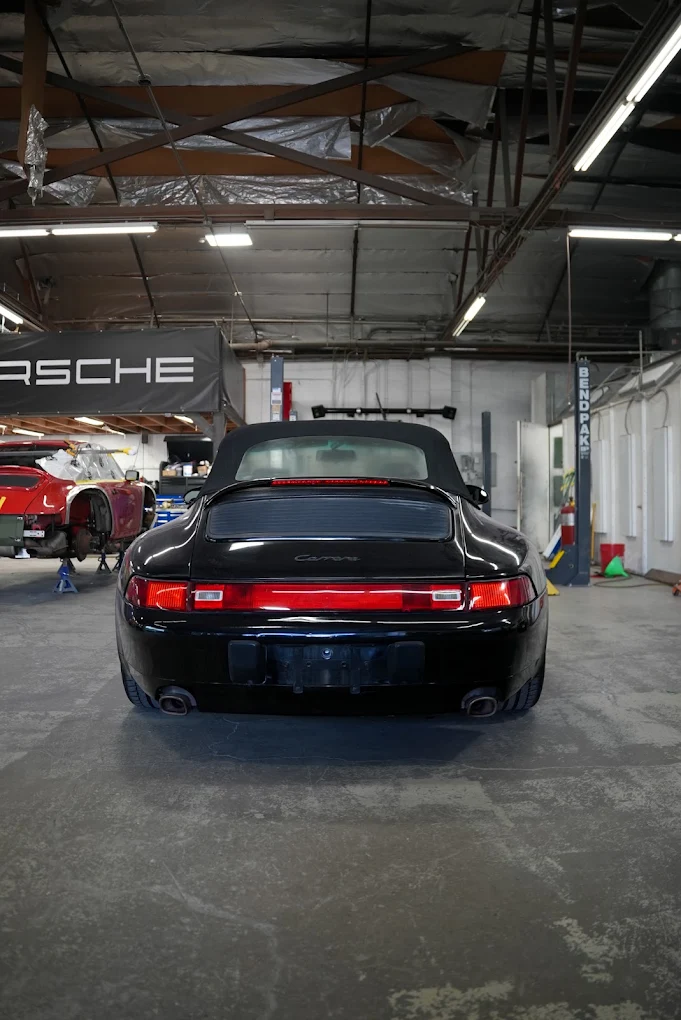
Whether it’s a daily driver, a restored classic, or a custom build, proper paint and finishing play an essential role in maintaining both value and durability. A high-quality finish is the result of careful preparation, precise application, and attention to detail—not simply the final coat of paint.
One thing I’ve noticed over the years is that many vehicle owners judge a paint job by how shiny it looks on delivery. While appearance is important, the real quality often lies in everything that happened before the color was ever sprayed.
Paint Is More Than a Decorative Layer
Modern automotive paint systems are engineered to protect vehicle surfaces from a wide range of environmental conditions.
A professionally finished paint system helps shield against:
- Moisture
- UV radiation
- Road debris
- Dirt and contaminants
- Temperature fluctuations
- Minor chemical exposure
Without proper protection, bare or poorly coated metal becomes vulnerable to corrosion, oxidation, and premature wear.
This protective barrier is especially important for vehicles exposed to changing weather conditions or driven regularly.
Surface Preparation Determines Long-Term Results
Experienced painters often say that preparation accounts for most of a successful paint job. While that percentage may vary, the principle remains true.
Before any paint is applied, technicians typically perform several important steps:
- Cleaning the surface
- Removing old coatings when necessary
- Repairing dents
- Correcting imperfections
- Sanding
- Applying primer
- Inspecting panel alignment
Skipping or rushing these stages may not be obvious immediately, but imperfections usually become visible over time.
Paint can enhance a well-prepared surface, but it rarely hides poor workmanship permanently.
Primer Provides the Foundation
Primer is one of the least visible yet most important parts of the refinishing process.
It serves multiple purposes, including:
- Promoting paint adhesion
- Preventing corrosion
- Creating a smooth surface
- Sealing repaired areas
Different materials require different primer systems. Steel, aluminum, fiberglass, and composite panels all have unique preparation requirements.
Choosing the correct primer contributes directly to the durability of the finished coating.
Color Matching Requires Skill and Experience
Matching automotive paint isn’t as simple as selecting a factory paint code.
Several factors influence the final appearance:
- Paint age
- Sun exposure
- Previous repairs
- Manufacturing variations
- Application technique
Professional painters often create spray-out samples before applying color to verify that the match blends naturally with surrounding panels.
This process helps avoid noticeable differences once the repair is complete.
Insider Tip
If only one section of the vehicle is being refinished, ask whether adjacent panels will be blended rather than painted edge-to-edge. Blending often produces a much more seamless appearance because slight color variations become virtually impossible to detect.
Clear Coat Does More Than Add Shine
Many people associate the clear coat with gloss, but it also provides valuable protection.
A properly applied clear coat helps resist:
- UV damage
- Minor scratches
- Oxidation
- Environmental contaminants
- Fading
Without adequate clear coat protection, even high-quality base colors can lose their appearance much sooner than expected.
This outer layer absorbs much of the daily wear that vehicles experience.
Paint Protects Against Corrosion
One of paint’s most important functions is preventing rust.
Moisture naturally seeks exposed metal. Once corrosion begins beneath the surface, it can spread even when the visible paint still appears relatively intact.
A complete refinishing process seals repaired areas and helps reduce opportunities for moisture to penetrate vulnerable sections.
This is especially important after collision repairs or restoration projects where fresh metal has been exposed.
Professional Finishing Involves More Than Spraying Paint
The finishing stage includes numerous refinement steps that contribute to durability and appearance.
These often include:
- Controlled curing
- Dust removal
- Color sanding
- Polishing
- Surface inspection
- Final detailing
Each stage helps produce a finish that not only looks refined but also performs well over time.
Patience during finishing often separates exceptional craftsmanship from average results.
Environmental Conditions Affect Paint Performance
Professional paint facilities carefully control conditions during application.
Factors such as:
- Temperature
- Humidity
- Airflow
- Dust levels
can all influence how paint cures.
Controlled environments reduce contamination and help coatings cure consistently, producing stronger and more durable finishes.
Attempting similar work without proper conditions often increases the likelihood of imperfections.
Maintenance Helps Preserve the Finish
Even the highest-quality paint requires proper care after application.
Simple maintenance habits include:
- Washing regularly using automotive-specific products
- Removing bird droppings promptly
- Drying with clean microfiber towels
- Parking under cover when possible
- Inspecting the finish periodically
Consistent maintenance protects the coating and helps preserve its appearance for many years.
Learning from Experienced Restoration Professionals
Many experienced restoration and refinishing specialists publish educational resources that explain paint systems, surface preparation, restoration techniques, and long-term vehicle care. Reading these materials helps owners better understand what contributes to a durable finish before beginning a project. For additional insights, you can explore the restoration resources available at perfect lines restoration, where professionals share practical knowledge drawn from real-world restoration and refinishing work.
Paint Protection Begins Before the First Coat
One lesson that surprises many owners is that protecting a vehicle starts long before color is applied.
Body panels must first be carefully inspected for:
- Hidden corrosion
- Uneven metalwork
- Surface contamination
- Improper repairs
- Alignment issues
Correcting these problems early helps ensure the paint system performs as intended.
Ignoring them may allow moisture or stress points to compromise the finish later.
Insider Tip
A simple way to evaluate craftsmanship is by looking inside areas that receive less attention, such as door jambs, trunk openings, or under the hood. Consistent coverage and clean finishing in these locations often indicate the same level of care throughout the entire project.
Why Finishing Quality Matters for Long-Term Value
Vehicles that receive proper refinishing generally maintain their appearance longer than those repaired using rushed processes.
High-quality finishing contributes to:
- Better corrosion resistance
- Improved durability
- Easier maintenance
- More consistent appearance
- Greater owner satisfaction
While the finish is often appreciated for its visual appeal, its protective qualities continue working every day, even when they aren’t immediately noticeable.
Final Thoughts
Paint and finishing represent far more than the final cosmetic stage of vehicle restoration or repair. They provide a protective barrier that helps defend against corrosion, environmental damage, and everyday wear while preserving the craftsmanship invested in the vehicle.
Also read for more information so click here.