
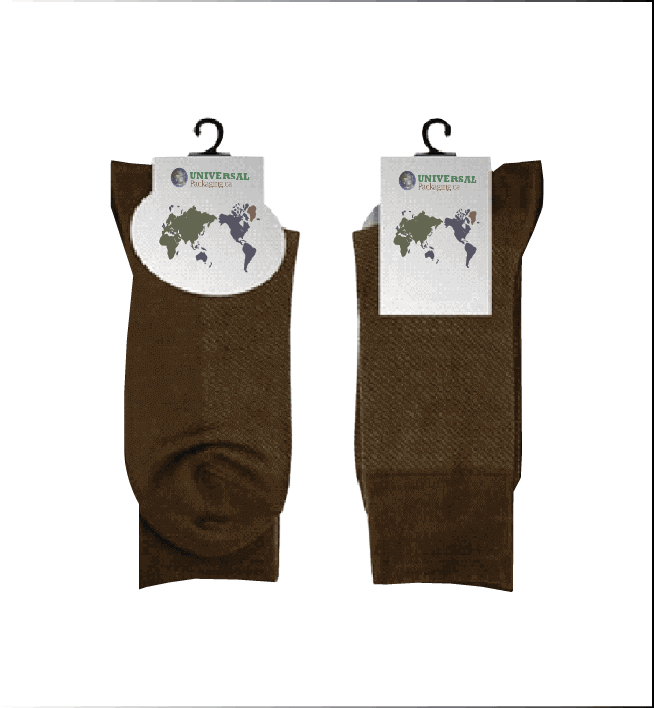
A product can sit on a shelf for weeks without selling, and the reason often has nothing to do with the socks themselves. Shoppers make quick judgments based on what they see first, and a weak sleeve can quietly push a good product toward the bottom of the pile. Fit, color, and print clarity all send silent signals before anyone reads a single word of text. This look at Custom Sock Packaging Sleeves examines the specific signs that packaging might be working against sales rather than for them. The sections below walk through what to check.
A Loose Fit Signals Poor Quality
Loose or ill-fitting sleeves send an unintended message about the product wrapped inside them. Gaps between the sleeve and the sock can suggest carelessness, even when the socks themselves are well made. Shoppers rarely stop to reason this through consciously; the impression forms instantly and moves on. Comparing sleeve fit against actual inventory, rather than a single prototype, reveals whether this problem affects an entire product line. Fixing fit issues early prevents this silent signal from turning shoppers away.
Faded Colors Lose Shelf Attention
Color loss over time can quietly erode a product’s visibility, even if the original design was strong. Cheaper inks sometimes fade faster than expected under standard store lighting, leaving packaging looking tired within weeks. Checking older stock against freshly printed sleeves side by side reveals whether this issue is already happening. Switching to more stable ink formulations often solves the problem without requiring a full redesign. A sleeve that still looks fresh after months on a shelf keeps working for the sale it was meant to support.
Confusing Layouts Slow Down Shoppers
Cluttered design forces shoppers to work harder than they are usually willing to when browsing quickly. Size information buried among decorative elements can go unnoticed, leading to hesitation or a missed sale entirely. Clear hierarchy, where the most important details stand out first, keeps a shopper moving toward a decision rather than away from it. Reviewing a sleeve from a few feet away, the way a shopper actually would, often reveals layout problems invisible up close. Simplifying a busy design can recover sales lost to confusion alone.
Weak Closures Create Bad First Impressions
First impressions extend beyond the shelf and into the moment a customer actually opens their purchase at home. A closure that tears unevenly or requires scissors leaves a rough impression right when excitement about a new purchase should be building. Smooth, tool-free closures support a better unboxing experience that shoppers subconsciously connect back to the brand. Testing closures across dozens of open-and-close cycles reveals whether this detail holds up under normal handling. A frustrating opening experience can quietly discourage repeat purchases down the line.
Missing Sustainability Cues Turn Buyers Away
Environmental awareness among shoppers continues growing, and packaging lacking any visible sustainability signal can lose ground to competitors that offer one. A few small additions can address this gap:
- A recycling symbol printed clearly on the sleeve
- A short note about certified or recycled material sourcing
Even a small, honest sustainability cue can tip a close decision in favor of one product over another sitting right beside it.
Inconsistent Branding Confuses Repeat Buyers
Recognition builds through repetition, and packaging that shifts noticeably between orders undermines that process. Slight color drift or a changed logo placement between production runs can leave returning shoppers unsure they are looking at the same brand. Documented specifications, kept consistent across every order, protect against this quiet erosion of recognition. Reviewing new stock against previous batches before it reaches shelves catches drift before customers notice it. Steady branding keeps the trust built with earlier purchases working in favor of future ones.
Bulky Sizing Wastes Retail Space
Oversized packaging takes up more shelf space than a sock actually requires, which can affect how much a retailer is willing to stock. Trimming excess sleeve dimensions to match actual sock bulk allows more units to fit within the same shelf section. Retailers managing tight space sometimes favor products with a smaller footprint when facing similar alternatives. Reviewing sleeve dimensions against genuine sock measurements, rather than a generous estimate, often reveals room for improvement. A tighter, well-fitted sleeve can earn more shelf space simply by taking up less of it.
Outdated Design Looks Behind Competitors
Design trends shift gradually, and packaging left unchanged for years can start to look dated next to newer competitors. Reviewing competing hosiery packaging occasionally helps identify whether a sleeve’s design has quietly fallen behind current expectations. Small refreshes, such as updated typography or a modernized color palette, often cost far less than a full redesign while still closing this gap. Waiting too long to refresh a design risks a product appearing older than it actually is. Staying attentive to this shift protects shelf appeal over the long run.
Getting Expert Input Before a Redesign
Diagnosing these problems accurately sometimes benefits from an outside perspective rather than relying solely on internal judgment. Reviewing current packaging against these signs with a supplier such as Universal Packaging can help pinpoint exactly where a sleeve might be underperforming. Sample comparisons and honest feedback often reveal issues that become invisible to a team too close to their own product. Bringing in this outside view before committing to a redesign helps ensure the right problems actually get solved.
Conclusion
Taken together, these signs show that packaging problems rarely announce themselves loudly; they simply cost sales quietly over time. A loose fit, faded color, or confusing layout can each chip away at a product’s chances without ever triggering a formal complaint. Addressing even one or two of these issues often produces a noticeable shift in how a product performs on shelves. Guidance in identifying and fixing these problems remains available through Universal Packaging, helping hosiery brands catch costly packaging issues before they quietly drain away sales. Paying attention to these details protects the value already built into every pair sold.