
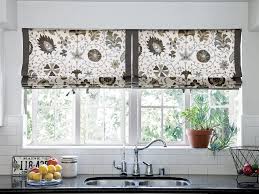
When winter arrives, homeowners often wonder whether they should keep their blinds closed throughout the day to keep their homes warmer. The simple answer is not always. Closing blinds can reduce heat loss through windows, but opening them during sunny periods can also allow valuable natural heat into your home.
The best approach depends on the direction your windows face, the type of blinds you have, the amount of sunlight available, and your home’s insulation. Understanding when to open and close your blinds can help improve comfort while potentially reducing heating costs.
Do Closed Blinds Keep a House Warmer in Winter?
Yes, closed blinds can provide an additional layer between your interior space and a cold window. Windows are often one of the weaker points in a home’s thermal envelope, particularly if they are older or single-glazed.
When blinds are closed, they can create a small insulating barrier that slows the movement of air near the glass. Certain blinds, particularly cellular or honeycomb blinds, are specifically designed to trap air and improve insulation.
However, ordinary blinds may offer only modest insulation. They should be considered a supplement to good-quality windows and proper home insulation rather than a replacement for them.
Should You Keep Blinds Closed at Night?
Generally, yes. Closing blinds after sunset is one of the simplest ways to reduce heat loss through windows.
Once the sun goes down, there is no solar heat entering through the glass. Meanwhile, the window can become considerably colder than the indoor air. Keeping blinds closed can help create an extra barrier between the warm room and cold glass.
For the best results, close your blinds shortly before or around sunset. This is especially useful in bedrooms, living rooms, and other areas where maintaining a comfortable temperature overnight matters.
Blackout, thermal, cellular, and insulated blinds can be particularly useful during cold nights.
Should You Open Blinds During the Day?
During sunny winter days, opening your blinds can be beneficial.
Sunlight entering through windows provides free solar heat. South-facing windows in the Northern Hemisphere can receive significant winter sunlight, depending on the home’s location and surrounding buildings.
Opening blinds on sunny windows allows sunlight to warm floors, walls, furniture, and other surfaces. That heat can then help maintain a comfortable indoor temperature.
Instead of keeping every blind closed all winter, consider using a simple day-and-night strategy:
- Open suitable blinds when direct sunlight is entering.
- Keep blinds open while the sun is providing useful warmth.
- Close them when the sun disappears.
- Close blinds at night to reduce heat loss.
This approach allows you to benefit from natural solar heat while still creating a barrier against cold windows after dark.
What About Windows That Don’t Receive Sunlight?
Not every window benefits from being opened during winter.
North-facing windows in the Northern Hemisphere generally receive less direct sunlight during winter. Windows shaded by neighboring buildings, trees, balconies, or other structures may also provide little solar heat.
In these situations, keeping blinds closed during colder periods may make more sense.
The goal is not simply to keep blinds open or closed all day. Instead, consider whether a particular window is allowing useful sunlight into the room.
The Type of Blind Matters
Different window coverings provide different levels of insulation.
Cellular Blinds
Cellular or honeycomb blinds are among the better choices for improving window insulation. Their honeycomb-shaped pockets trap air, helping reduce heat transfer through the window.
They can be especially useful in rooms that become noticeably colder near windows.
Thermal Roller Blinds
Thermal roller blinds typically use materials or coatings designed to reduce heat transfer. They provide a practical combination of privacy, light control, and insulation.
Roman Blinds
Roman blinds made from thicker fabrics can provide an additional insulating layer. Their effectiveness depends heavily on the fabric, construction, and how closely the blind fits around the window.
Venetian Blinds
Traditional Venetian blinds provide excellent light and privacy control but generally offer less insulation than specialized cellular or thermal blinds. However, closing them at night can still create some separation between the room and the cold window.
Don’t Forget About Curtains
Combining blinds with curtains can improve winter window performance.
A properly fitted curtain can create another insulating layer in front of the window. For example, you might open both blinds and curtains during sunny periods and close both after sunset.
However, avoid covering radiators with heavy curtains if doing so prevents warm air from circulating effectively. Window treatments should improve comfort rather than interfere with your home’s heating system.
Can Closed Blinds Reduce Heating Bills?
They can potentially contribute to lower heating demand, but the amount you save varies significantly.
The biggest factors include window quality, climate, insulation, heating efficiency, blind type, window orientation, and how much sunlight the property receives.
A home with older, poorly insulated windows may benefit more from insulated window coverings than a modern home with high-performance double or triple glazing.
For meaningful energy savings, blinds should be part of a broader strategy that includes proper wall and roof insulation, efficient windows, weather sealing, and an appropriately controlled heating system.
Common Winter Blind Mistakes
One common mistake is keeping every blind closed from morning until night. While this can reduce exposure to cold windows, it also prevents winter sunlight from naturally warming the home.
Another mistake is leaving blinds open after sunset. Once outdoor temperatures fall and sunlight disappears, there is usually little benefit to keeping them open.
Homeowners should also avoid assuming that expensive blinds automatically provide excellent insulation. Look at the product’s actual thermal properties and how well it fits the window.
A Simple Winter Blind Routine
A practical winter routine is easy to follow.
Morning: Open blinds on windows receiving useful sunlight.
Afternoon: Keep sun-facing blinds open while sunlight continues to provide warmth.
Late afternoon: As sunlight fades, begin closing blinds.
Evening: Keep blinds closed to create an additional barrier against cold windows.
Night: Leave them closed while the heating system maintains indoor comfort.
This routine can be adjusted depending on the weather. On a bright, sunny winter day, opening blinds can be valuable. On an overcast, extremely cold day, keeping them closed may provide greater comfort.
Final Thoughts
So, should you keep blinds closed in winter? The best answer is to close them when the sun is gone and open them when winter sunlight can provide useful warmth.
Keeping blinds closed overnight can help reduce heat loss through windows, while opening them during sunny periods allows natural solar heat to enter your home. The type of blind also matters, with cellular and thermal designs generally offering better insulation than basic window coverings.
Rather than keeping blinds permanently closed, use them strategically. Open them to capture winter sunshine and close them to protect against nighttime cold. This simple habit can make rooms feel more comfortable and may help your home use heating energy more efficiently.