
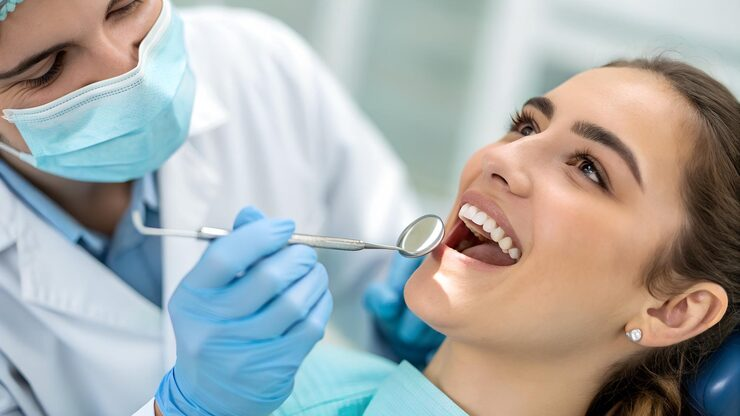
Insurance paperwork is confusing enough without dental stuff added on top. Most people have dental health insurance plans through work and honestly couldn’t tell you what’s actually covered until they’re sitting in a chair getting a treatment estimate. That’s not great. Knowing the basics ahead of time saves you from that awkward moment at checkout when the receptionist hands you a bill you weren’t expecting.
Preventive Care Is The Easy Part
This is where most plans are generous, thankfully. Cleanings, usually twice a year, covered at or close to 100 percent on most plans. The same goes for routine exams and basic X-rays typically. The logic makes sense honestly, insurers would rather pay for a cleaning now than a root canal later, it’s cheaper for them long term. So if you’ve got dental coverage and you’re skipping your twice-a-year cleanings, you’re leaving money on the table basically, paid for and unused.

Where Things Get More Complicated
Basic procedures sit in a middle tier usually. Fillings, extractions, that sort of thing. Most plans cover somewhere between 70 to 80 percent of these, though it varies a lot depending on the specific plan and insurer. You’ll still pay something out of pocket, just not the full amount thankfully. This is where people get surprised sometimes, they assume “covered” means fully covered, and it usually doesn’t work that way at all.
Major Work Costs More, Even With Insurance
Crowns, bridges, root canals, dentures, this stuff falls under major dental services and coverage drops noticeably here. Somewhere around 50 percent is common, sometimes less depending on your plan’s fine print. There’s also often an annual maximum, a cap on what insurance will pay total in a calendar year, and it’s usually lower than people expect. Once you hit that cap, everything else comes out of your pocket regardless of what percentage your plan technically covers.
Cosmetic Work Is Almost Never Included
Whitening, veneers purely for appearance, that kind of thing, insurance typically won’t touch it. Makes sense from the insurer’s perspective, cosmetic dentistry isn’t medically necessary technically, even though it obviously matters to the person wanting it done. Some plans blur the line though, like if a veneer is fixing a broken tooth versus just improving how it looks, coverage can shift depending on how the claim gets coded. Worth asking your dentist’s office to code things accurately, it genuinely affects what gets reimbursed.
Orthodontics Depends Heavily On The Plan
Braces and Invisalign are hit or miss with dental insurance, there’s no consistent rule here really. Some plans cover a portion for kids under 18 but nothing for adults. Others have a lifetime orthodontic maximum, meaning once that amount’s used up, that’s it, no more coverage ever for orthodontic treatment regardless of future need. If straightening your teeth is something you’re considering, definitely call your insurer directly and ask specifically about orthodontic benefits, don’t just assume it’s bundled into general dental care coverage.
Waiting Periods Catch People Off Guard
This one trips up a lot of new patients. Plenty of dental plans have waiting periods before certain services kick in, sometimes six months, sometimes a full year for major work like crowns or root canals. So if you just signed up for insurance and need a crown next week, don’t be shocked if it’s not covered yet. Preventive care usually has no waiting period or a short one, but major services almost always do. Reading the fine print before you need something urgently just makes sense.

Finding A Dentist Who Actually Explains This Stuff
Not every dental office bothers walking patients through their insurance details clearly, and that’s frustrating honestly. A good Simi Valley dentist, or really any dental practice worth going to, should break down your coverage before treatment starts, not after you’ve already gotten the bill. Ask them to verify benefits ahead of time, most offices can call your insurer directly and get a breakdown before you commit to anything. It takes the guesswork out of the whole process and avoids that gut-punch feeling of an unexpected bill later.
Conclusion
Dental insurance isn’t as straightforward as medical insurance sometimes, there’s more nuance to it than people assume going in. Preventive care’s usually well covered, basic procedures partially covered, major work covered less, and cosmetic stuff almost never covered at all. Waiting periods and annual maximums add another layer worth understanding too. Read your plan’s actual details, not just the marketing summary, and don’t be afraid to call and ask direct questions. It’s your money and your teeth, might as well know exactly what you’re paying for.