
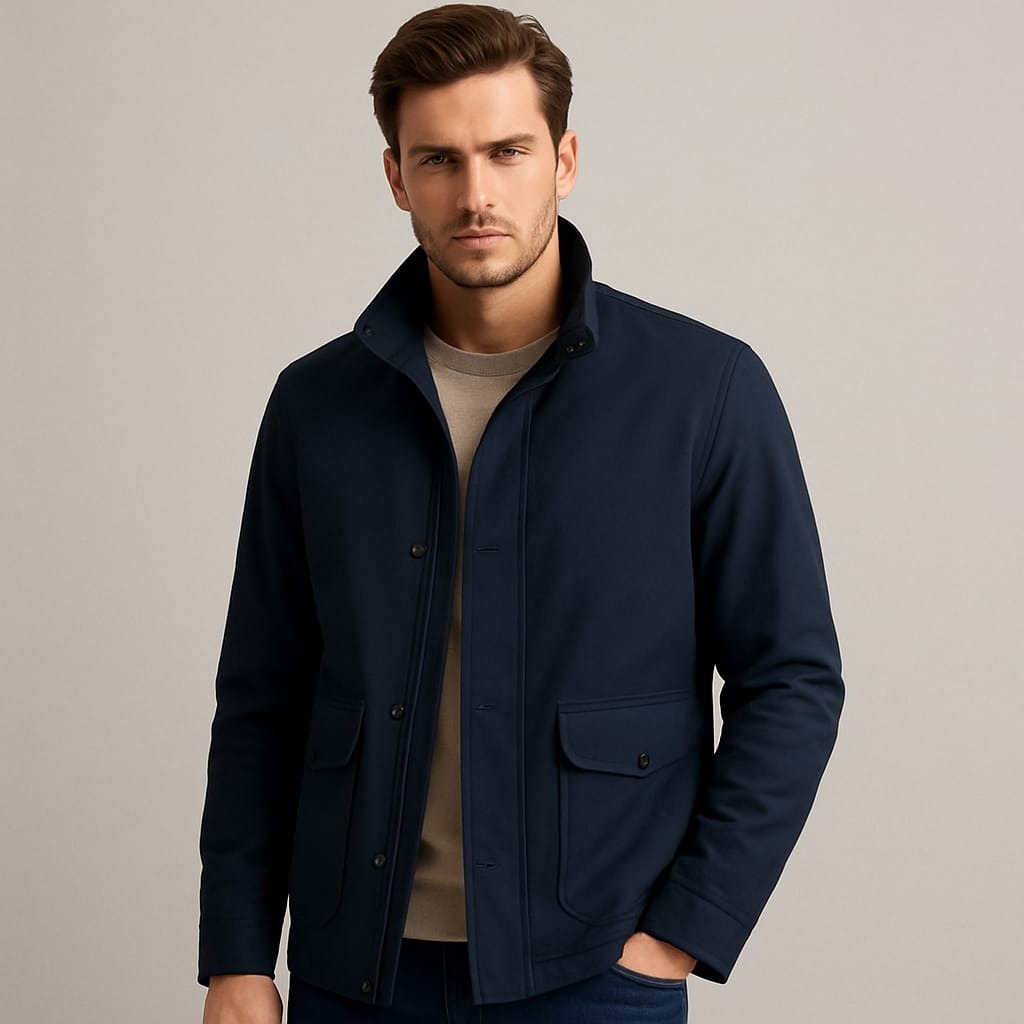
You have invested in a quality clothing varsity jackets or a premium leather piece, but living in a humid climate presents a constant threat. Unlike synthetic materials, leather is a natural hide that reacts to its environment. High humidity (above 70% relative humidity) encourages mold growth, which can permanently damage your jacket . Understanding where and how to store your jacket is the key to ensuring it lasts for years rather than months.
The Science of Mold and Leather
Mold spores are everywhere. In humid climates, the conditions are perfect for them to germinate. Leather is highly susceptible because it is porous and absorbs moisture from the surrounding air . When the relative humidity exceeds 60%, the leather’s natural oils break down, creating a breeding ground for mold . This results in musty odors, spots, and eventual structural weakness.
The Best Places to Store Your Jacket
1. The Climate-Controlled Interior Closet
Your bedroom closet is your safest bet. Leather thrives in stable, cool environments with good air circulation. Aim for a location where the temperature stays between 59°F and 72°F, and the humidity is maintained at around 40% to 50% . Avoid closets on exterior walls, which can develop condensation and dampness.
2. Using a Dehumidifier
If you live in a very humid area (like the Gulf Coast or Southeast Asia), you may need a dehumidifier. Set it to maintain a relative humidity of around 45% to 50% in the room where you store your jacket . This is the most effective way to prevent moisture from accumulating on the leather’s surface.
The Worst Places to Store Your Jacket
1. The Garage
Garages are terrible for leather. They experience extreme temperature swings and poor ventilation. Condensation will form on the leather surface, especially at night, creating the perfect environment for mold.
2. The Basement
Basements are cool and damp, which is exactly what mold needs to thrive. Even a “finished” basement often has hidden humidity issues that can damage your prized clothing varsity jackets.
3. The Attic
Attics get extremely hot in the summer. High heat drives moisture out of the leather, causing it to dry out and crack. The daily temperature and humidity cycles can severely damage the material.
4. Plastic Bags or Containers
This is the most common mistake. Plastic traps moisture and prevents air circulation, creating a humid microclimate that invites mildew . A plastic container is a slow death sentence for your leather; it prevents the material from breathing, causing it to rot over time .
Problem Solving: Proactive Protection
Air Circulation
Air circulation is critical. Stagnant air allows moisture to settle on the leather. Hanging the jacket in a well-ventilated closet and opening the door periodically helps .
Use Silica Gel Packs
Place silica gel packets inside the pockets and inside your storage area. These absorb excess moisture and help maintain a dry environment . Replace or dry them out as needed.
Parking Rules For Leather Longevity
Rule One: After wearing your jacket in humid weather or rain, let it air dry for several hours before putting it in the closet. Never store a damp jacket.
Rule Two: Use a breathable cotton garment bag, never a plastic one. Cotton allows air to circulate while keeping dust away .
Rule Three: Hang the jacket on a wide, padded wooden hanger. This maintains its shape and prevents creases that can trap moisture .
Conclusion
Storing leather in a humid climate requires vigilance, but it is simple. Choose a cool, climate-controlled closet, not a garage, basement, or attic. Use a dehumidifier and silica gel packs to control moisture, and always allow the jacket to breathe. By following these steps, your investment in a quality mens letterman jacket will remain pristine and free of mold for years.