
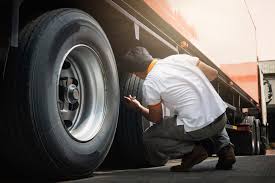
If you’re running trucks every day, you already know one thing: DOT inspections can either keep you moving or shut you down fast. A failed inspection doesn’t just mean a ticket; it means downtime, missed loads, and lost revenue. That’s why staying ahead of a truck DOT inspection isn’t optional; it’s part of keeping your fleet profitable. Most failures aren’t random either. They come from small issues that were ignored until they became big problems.
This guide breaks down the most common reasons fleets fail inspections and, more importantly, how to avoid them without overcomplicating your operation.
Why DOT Inspection Failures Hurt More Than You Think
A failed inspection hits you from multiple angles. First, there’s the immediate delay. Your truck is out of service, your driver is stuck, and your delivery is at risk. Then come the fines, repair costs, and possible CSA score impact.
But the real damage? It’s long-term. Poor inspection records can:
- Increase your insurance premiums
- Trigger more frequent inspections
- Hurt your reputation with brokers and shippers
For owner-operators and fleet managers, this turns into a cycle—more inspections, more pressure, and less flexibility on the road.
The Most Common Reasons Fleets Fail DOT Inspections
Most failures come down to maintenance gaps and missed checks. Here’s where fleets usually slip.
Brake System Issues
Brake violations are one of the top reasons trucks get pulled out of service. Worn brake pads, air leaks, or out-of-adjustment brakes are all red flags.
The problem is that brake wear down gradually. If you’re not checking them regularly, you won’t notice until an inspector does.
How to avoid it:
- Schedule routine brake inspections
- Train drivers to report weak braking early
- Fix minor issues before they stack up
Tire Problems
Bald tires, low tread depth, and improper inflation are easy for inspectors to catch. And they’re common because tires take a beating every mile.
Ignoring tire maintenance doesn’t just risk a failed inspection; it risks a blowout on the highway.
How to avoid it:
- Check tire pressure daily
- Monitor tread depth weekly
- Replace worn tires before they hit the legal limit
Lighting and Electrical Failures
Broken lights might seem minor, but they’re one of the quickest ways to fail an inspection. Inspectors look at headlights, brake lights, turn signals, and reflectors.
Electrical issues often go unnoticed until nighttime driving or inspection time.
How to avoid it:
- Include lights in every pre-trip inspection
- Keep spare bulbs and fuses on hand
- Fix wiring issues immediately
Suspension and Steering Problems
Loose components, worn bushings, or damaged suspension parts can lead to serious violations. These issues also affect vehicle control, making them a safety concern.
How to avoid it:
- Inspect suspension during routine maintenance
- Listen for unusual noises while driving
- Address handling issues early
Driver Documentation and Compliance Issues
It’s not just the truck drivers who can fail inspections, too. Missing logs, expired medical cards, or ELD violations can all cause problems.
How to avoid it:
- Keep driver documents updated
- Audit logs regularly
- Train drivers on compliance basics
The Role of Preventive Maintenance in Passing Inspections
If there’s one thing that separates fleets that pass from those that fail, it’s preventive maintenance.
Waiting for something to break is expensive. Staying ahead of issues is cheaper and more predictable. A solid maintenance routine helps you catch problems before inspectors do.
Smart fleets:
- Stick to maintenance schedules
- Track repairs and inspections
- Use simple systems to stay organized
You don’t need complicated software to make this work. Even a basic checklist system can reduce failures if it’s used consistently.
Why Pre-Trip Inspections Matter More Than You Think
Your driver is your first line of defense. A proper pre-trip inspection can catch most issues before they turn into violations.
But here’s the problem: many drivers rush through it or treat it like a routine task instead of a critical one.
A strong pre-trip inspection should include:
- Brake checks
- Tire condition
- Lights and signals
- Fluid levels
- Visible damage
When drivers take this seriously, their chances of passing a truck DOT inspection go way up.
Building a System That Actually Works
A lot of fleets fail not because they don’t care but because they don’t have a system.
You need something simple, repeatable, and easy to follow. Overcomplicating things just leads to missed steps.
Here’s what works in real operations:
- Standardized Checklists
Every truck, every driver, same checklist. No guessing, no skipping steps.
- Routine Inspection Schedule
Don’t wait for roadside inspections. Run your own internal checks weekly or bi-weekly.
- Fast Repair Turnaround
The longer you delay repairs, the higher the risk. Fix issues as soon as they’re reported.
- Driver Accountability
Drivers should report issues immediately, not after the route is done.
How Reliable Inspection Support Reduces Downtime
Working with a reliable inspection and repair provider can take pressure off your team. Instead of guessing what might fail, you get a clear picture of your truck’s condition.
Professional inspection services help:
- Identify hidden issues early
- Ensure compliance with FMCSA standards
- Reduce repeat violations
- Keep your trucks road-ready
If you’re managing multiple units, this becomes even more important. It’s not just about passing, it’s about consistency across your fleet.
Final Thoughts: Stay Ready, So You Don’t Get Stopped
At the end of the day, inspections aren’t going anywhere. The difference is whether they slow you down or become part of your routine.
Fleets that pass inspections consistently don’t do anything fancy; they just stay disciplined. They fix small issues early, train their drivers, and stick to a plan.
If you want to avoid costly failures, start by tightening your process around every truck DOT inspection. And if you need a reliable partner to keep your trucks compliant and road-ready, check out Epika Fleet’s inspection services. Because in this business, uptime isn’t luck; it’s preparation.