
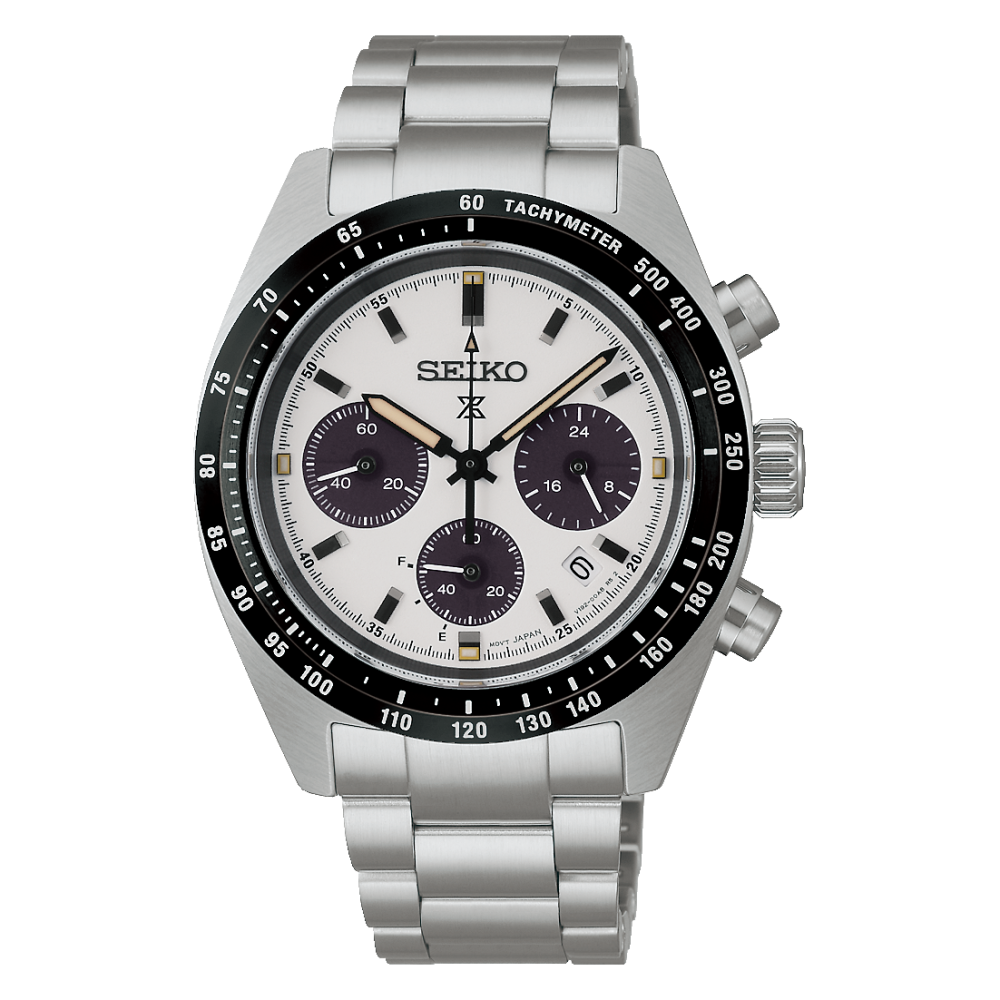
Few names in the horological world command as much universal respect, affection, and academic fascination as Seiko. From the casual enthusiast purchasing their very first mechanical timepiece to the high-end collector obsessing over the microscopic zaratsu-polishing of a luxury dial, Seiko spans the entire spectrum of watchmaking. Celebrating its 145th anniversary in 2026, the Japanese giant continues to live by the foundational philosophy of its visionary founder, Kintaro Hattori: “Always one step ahead of the rest.”
What makes Seiko entirely unique is its vertically integrated philosophy. It is one of the very few watch corporations globally that manufactures every single component of its timepieces in-house—growing its own quartz crystals, formulating its own lubricating oils, and winding its own hairsprings. This is the story of an underdog that rewrote global horological history, revolutionized how the world measures time, and mastered the balance between industrial pragmatism and fine artistic mastery.
From the Ashes of Ginza: A Historical Foundation
The story begins in 1881 in Tokyo’s Ginza district, where a 21-year-old Kintaro Hattori opened a modest shop dedicated to selling and repairing clocks. Driven by a desire to transition from a mere importer to a pioneer of domestic manufacturing, Hattori established the “Seikosha” factory in 1892. The name roughly translates to the “House of Exquisite and Precision Manufacturing”—a clear statement of intent.
1881: Hattori opens repair shop -> 1892: Seikosha factory founded -> 1913: The Laurel (Japan's first wristwatch)
By 1913, Seikosha produced The Laurel, Japan’s very first domestic wristwatch. However, tragedy struck in 1923 when the Great Kanto Earthquake leveled Tokyo, burning the factory to the ground and melting thousands of customer watches awaiting repair. In an act that defined the brand’s cultural integrity, Hattori personally replaced all 1,500 destroyed customer timepieces with brand-new clocks free of charge. When the company rebuilt, the very first watch bearing the name “Seiko” on the dial was born in 1924, cementing a legacy of resilience.
The Quartz Revolution: Shattering the Status Quo
To understand Seiko’s impact on the world, one must examine Christmas Day, 1969. On that day, Seiko released the Astron, the world’s first commercial quartz wristwatch. Driven by a battery and regulated by a tiny, vibrating quartz crystal tuning fork, the Astron was accurate to within five seconds per month—shattering the accuracy metrics of even the finest Swiss mechanical chronometers.
Rather than monopolizing the technology, Seiko Watch chose to make its patents public. This decision democratized accurate timekeeping, making reliable watches affordable to the masses, but it simultaneously triggered the “Quartz Crisis” that nearly brought the traditional Swiss watch industry to its knees. Paradoxically, the high-precision technology that disrupted mechanical horology allowed Seiko to fund its own specialized internal studios, ensuring that traditional, high-end mechanical craftsmanship survived in Japan.
The Modern Pillars of Seiko
Today, Seiko structures its expansive universe into distinct, consumer-facing collections, each serving a specific philosophy and lifestyle:
1. Seiko 5 Sports: The Gateway to Horology
For decades, the Seiko 5 family has been the ultimate entry point for mechanical watch collectors. Built upon five core attributes—an automatic movement, a day-date display, water resistance, a recessed crown, and a durable case—these watches are legendary for their bulletproof reliability. In 2026, the line thrives through collaborative cultural cross-overs, maintaining its youthful, customizable appeal while offering upgraded hacking and hand-winding calibers.
2. Prospex: Built for the Extremes
A portmanteau of “Professional Specifications,” the Prospex line houses Seiko’s iconic dive and adventure watches. Seiko’s diving heritage is historic; in 1975, they invented the world’s first titanium dive watch to combat the extreme pressure faced by commercial saturation divers. Famous models like the “Turtle,” “Samurai,” and “Marinemaster” are universally lauded by professional divers. In mid-2026, Seiko continues this focus on utility with advanced limited-edition releases featuring the premium Caliber 8L45 movement, maintaining its longstanding partnership with marine research organizations.
3. Presage: Japanese Artistry on the Wrist
Presage bridges the gap between affordable watchmaking and luxury artisanal craftsmanship. This collection uses the watch dial as a blank canvas to showcase traditional, centuries-old Japanese crafts, including:
-
Enamel and Urushi Lacquer: Hand-applied and baked to deep, lustrous finishes.
-
Arita Porcelain: Highly translucent, curved ceramic dials that require specialized firing techniques.
-
Textured Textiles: Current 2026 Presage “Classic Series” releases pay homage to the delicate, shimmering aesthetics of raw Tomioka silk and pastel flora textures.
4. Astron: The Pinnacle of Solar GPS Tech
The modern Astron line honors its 1969 predecessor by remaining at the cutting edge of electronic timekeeping. Driven entirely by light, modern Astron watches connect to the global GPS satellite network, automatically identifying the user’s time zone and adjusting the hands with atomic precision anywhere on Earth.
The Dual Identity: Seiko vs. Grand Seiko
No discussion of Seiko is complete without addressing its high-end sibling, Grand Seiko. Launched in 1960 with the singular goal of creating the “ideal” watch—surpassing Swiss standards in accuracy, legibility, and durability—Grand Seiko operated as a premier line under the main corporate umbrella for decades. In 2017, it was spun off as an independent brand to cement its place in the tier of haute horology.
| Characteristic | Seiko | Grand Seiko |
| Primary Focus | Value, durability, diverse accessibility | Ultra-high precision, hand-craftsmanship, luxury |
| Finishing | Industrial, reliable machine-finishing | Zaratsu hand-polishing, intricate micro-artist engraving |
| Key Innovation | Kinetic, Solar, 4R/6R Mechanical calibers | High-Beat Mechanical, Ultra Fine Accuracy Spring Drive |
Grand Seiko’s signature achievement remains the Spring Drive movement. It is a mechanical movement that uses a mainspring for power but replaces the traditional escapement with an electronic “Tri-synchro Regulator” governed by a quartz crystal. This hybrid engineering allows the watch to achieve an astonishing accuracy of $\pm0.5$ seconds per day while delivering a perfectly smooth, uninterrupted sweeping motion of the seconds hand—a poetic visualization of the continuous flow of time.
Why the Legacy Endures
Ultimately, Seiko’s longevity rests on its democratic view of watchmaking. It is a brand devoid of pretense. A $150 Seiko 5 automatic is engineered with the same structural pride and respect for the consumer as a multi-thousand-dollar luxury timepiece. By masterfully weaving its rich history with ongoing technical advancements, Seiko remains far more than just a watch company—it stands as a global cultural institution that taught the world how to tell time all over again.